
Amalfi Coast Holiday Guide
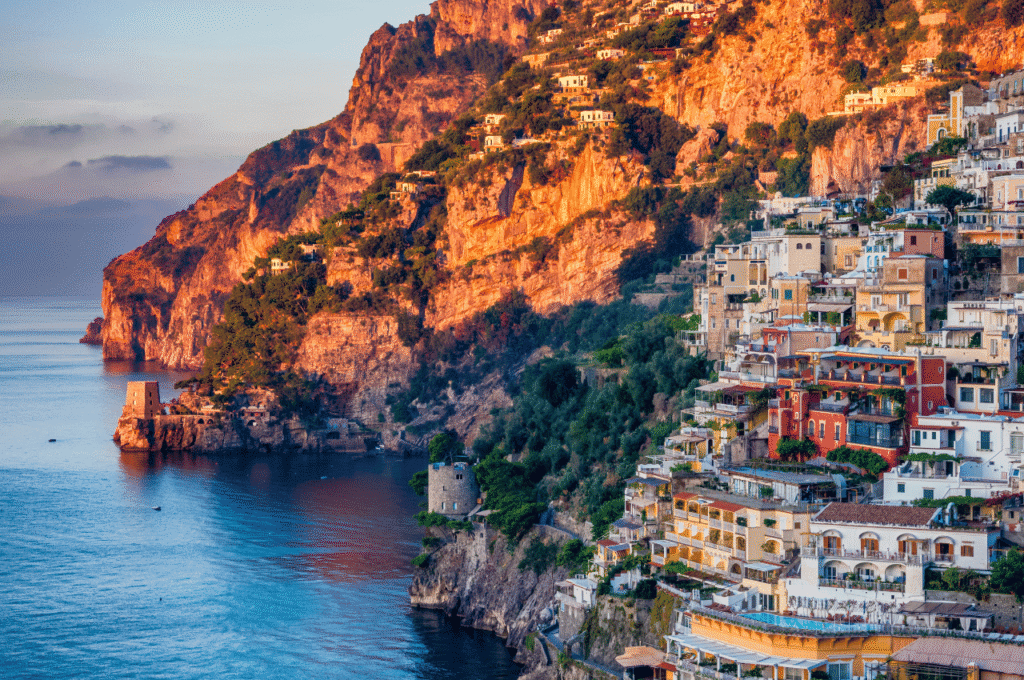
So, you’re thinking about an Amalfi Coast holiday? Let me guess: you’ve seen the Instagram reels, the lemon spritzes, the winding cliff roads, and you’re already picturing yourself in a linen dress or sharp white shirt, hair blowing in the sea breeze. Sounds dreamy, right? But here’s the thing: the Amalfi Coast is gorgeous… and also chaotic, pricey, and sometimes a little overwhelming if you don’t know what you’re doing.
That’s where I come in. Think of this guide as a chat with a friend who’s already been, made a few mistakes (like nearly fainting after carrying a suitcase up 200 steps in Positano), and figured out the shortcuts. We’ll talk about the best towns to stay in, how to get around without losing your mind, what food you absolutely need to try, and yes, how to actually enjoy the Amalfi Coast without feeling like you’re in a tourist stampede.
Ready? Grab your limoncello (or just a coffee, no judgment here), and let’s plan your Amalfi Coast holiday the smart way.
Just a quick note before we dive in: some of the links in this article are affiliate links. That means I may earn a small commission if you decide to book or buy through them, but it won’t cost you anything extra. I only recommend places and experiences I truly believe in (and often love myself), so think of it as a way to support my work while I keep sharing travel tips with you.
Things to do on Amalfi Coast
Places to visit
🏖️ Positano
🐬 Amalfi Town
🌴 Ravello
😎 Atrani
🏄 Fiordo de Furore

Must-try Foods
🏖️ Spaghetti alle Vongole
🐬 Delizia al Limone
🌴 Limoncello
😎 Fritto misto di mare
🏄 Fresh mozzarella and tomatoes

Popular activities
🏖️ Enjoy a Vespa ride on the coastline
🐬 Take a bout tour
🌴 Blue Grotto in Capri
😎 El Medano
🏄 Hike the Path of the Gods

Instagrammable
🏖️ Villa Rufolo in Ravello
🐬 The Road to Amalfi at sunset
🌴 Capri’s Blue Grotto
😎 Sunset at Marina di Praia
🏄 Positano from the Spiaggia Grande

Best time to visit Amalfi Coast
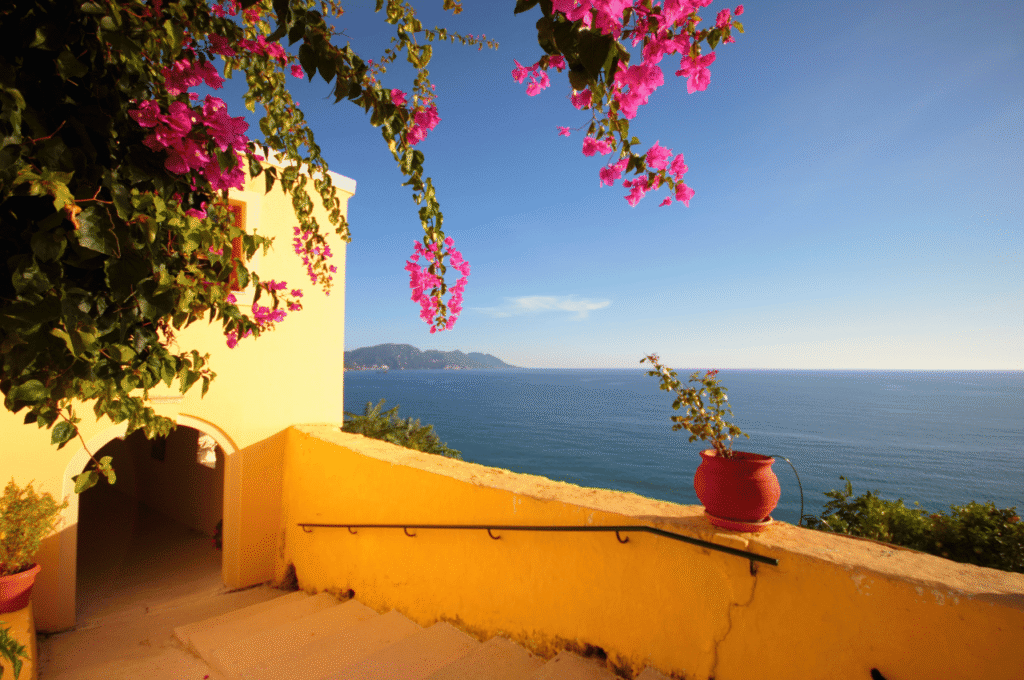
🌸 Spring (March–May)
Spring is when everything wakes up – lemon groves burst into bloom, wisteria spills down the walls, and the air smells like pure Amalfi magic. From April to early June, the weather sits around 18–24°C, which is ideal for hiking the coastal trails without melting. The towns feel alive again, but not too busy yet. This is the season for that sweet spot balance: decent prices, amazing weather, and all the gelato you can eat.
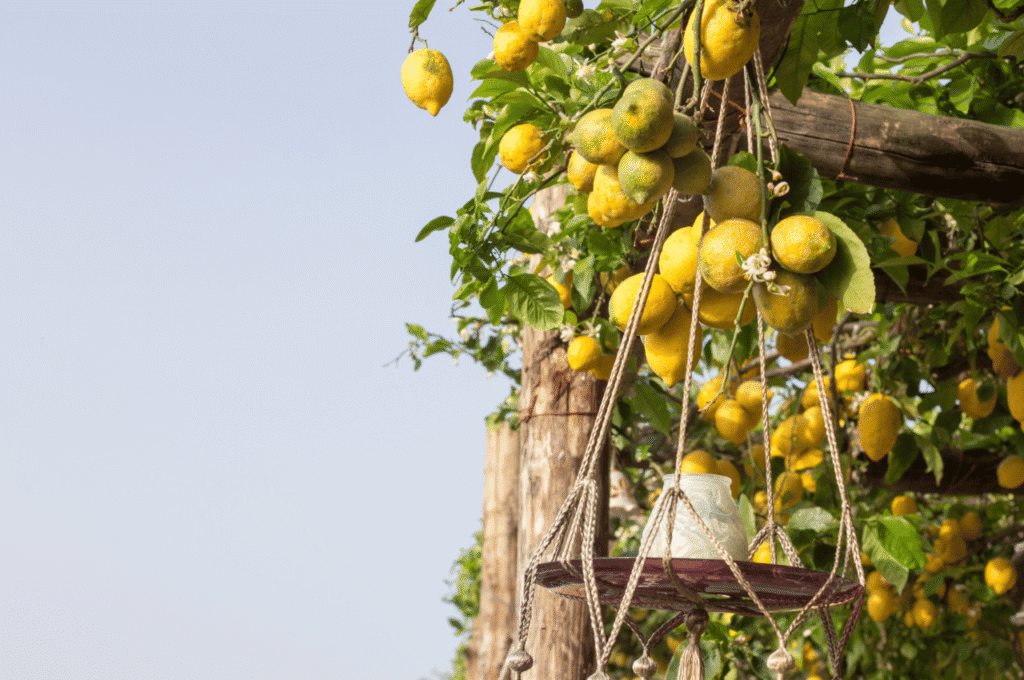
☀️ Summer (June–August)
Let’s be real: summer is the blockbuster season. July and August are hot, sweaty, and very, very popular. We’re talking 30°C+ temperatures, packed ferries, and hotel prices that make you wonder if you accidentally tried to rent a yacht. The upside? The energy is unmatched. You’ll find beach clubs in full swing, nightlife buzzing, and everyone in their sundresses living their best Italian fantasy. If you don’t mind the chaos and you book early, summer is electric.
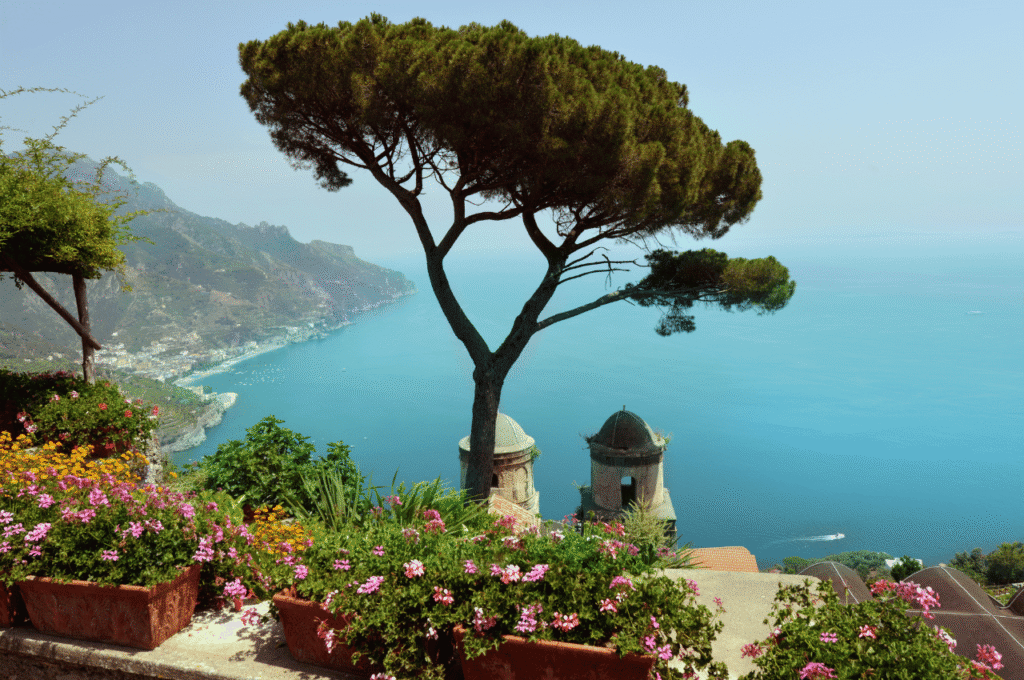
🍁 Autumn (September–November)
If you want the Amalfi Coast without fighting for space on a terrace, autumn is your sweet spot. September still feels like summer, with highs around 26°C. By October, the sea is cooler but still swimmable, and the evenings call for a light jacket. The vibe? Slower, calmer, with locals finally having a breather. You’ll get better hotel rates, fewer queues at restaurants, and sunsets that feel like they were made just for you.
❄️ Winter (December–February)
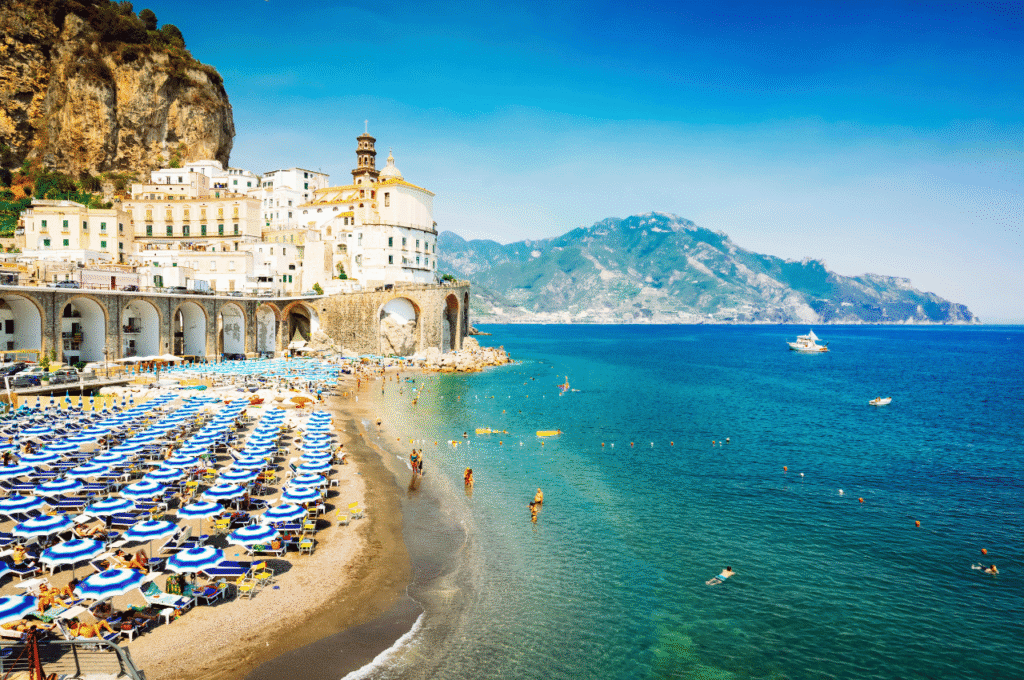
Winter is the Amalfi Coast’s “shh, don’t tell anyone” season. Most beach clubs shut down, yes, but this is when you get to see the towns for what they are: quiet villages clinging to cliffs. Temperatures hover around 10–15°C, so you’ll want a coat, not a bikini. It’s the season for long walks, cappuccinos in empty piazzas. Perfect if you’re here for the atmosphere, not the suntan.
How to get around the Amalfi Coast
Renting a Car
Here’s the thing: renting a car on your Amalfi Coast holiday sounds dreamy in theory. You picture yourself zipping around in a little Fiat with the roof down, scarf blowing in the wind, living your Italian movie fantasy. Reality check? Those roads are tiny. They twist, they turn, and sometimes they feel like they’re about one and a half lanes wide – even though buses are barrelling around the corners. Parking is scarce and expensive in the towns, so if you’re not a confident driver, this might turn into stress instead of freedom.
Pro tip: if you do rent a car, park on the edges of towns (like Meta or Vietri sul Mare) and use local transport to hop between the hotspots. It saves money and headaches.
Buses
The buses are the lifeline of the Amalfi Coast. They’re cheap, they run between all the main towns, and they save you from wrestling with Italian driving. The downside? They get packed in peak season. Like, stand-squished-against-a-stranger packed. If you don’t mind waiting in line and maybe missing one bus before you squeeze on, it’s a solid option. Plus, you get to actually look out the window at the sea instead of gripping the steering wheel.
Pro tip: buy your bus ticket in advance at a tabacchi shop (the little tobacco/newsagent places). You can’t buy tickets on the bus itself.
Taxis
Taxis here are more like luxury transport than your usual city cab. They’re quick and convenient, but the fares add up fast, especially if you’re going from Positano to Amalfi or further. They’re handy if you’ve got luggage, missed the last bus, or just want a stress-free ride back to your hotel after dinner. But for everyday getting around, they’ll burn through your budget faster than a round of limoncello shots.
Pro tip: agree on the fare before you get in, because most rides don’t run on a meter. It keeps things clear and avoids surprises.
Where to stay on Amalfi Coast
Related posts
Amalfi Coast holiday
Faq
1. Where to stay on the Amalfi Coast?
Wondering where to base yourself for your Amalfi Coast holiday? Each town has something special to offer:
- Positano – The showstopper. Think pastel houses stacked on cliffs, chic boutiques, and glamorous beach clubs. It’s perfect for couples who want romance, luxury hotels, and that Instagram view. Downside: it’s pricey and packed.
- Amalfi – A great base if you want history mixed with convenience. The cathedral is stunning, the piazzas are lively, and you’ve got ferries and buses right at your doorstep. It works well for first-timers or families who want easy connections.
- Ravello – Quiet, refined, and all about the views. Perched high above the coast, it’s the go-to for honeymooners or anyone who wants peaceful gardens, classical concerts, and villas instead of beach clubs.
- Praiano – Positano’s calmer neighbor. You still get gorgeous sunsets and cliffside hotels, but without as much noise or crowding. It’s a sweet spot for couples who want romance without chaos.
- Maiori & Minori – More low-key, flatter towns with actual sandy stretches of beach (rare here). Good for families with kids who don’t want to navigate steep staircases every day. Bonus: better prices than Positano or Amalfi.
- Atrani – Tiny, charming, and right next to Amalfi. If you like the idea of staying in a postcard-perfect fishing village where locals hang laundry across narrow streets, this is your spot. Romantic and authentic.
2. How many days to spend on the Amalfi Coast?
To truly enjoy your Amalfi Coast holiday, aim to spend at least 4 to 5 days exploring the region. With this amount of time, you can comfortably visit key towns like Positano, Amalfi, and Ravello, while also fitting in popular activities, such as a boat tour along the coast. If you have more time, a full week lets you slow down, enjoy long seaside lunches, visit nearby islands like Capri, and discover hidden gems like Atrani or Fiordo di Furore.
Because travel between towns can take time, especially in peak season, staying longer ensures you won’t feel rushed. Whether it’s your first time or a return trip, spending a few extra days makes your Amalfi Coast itinerary feel more relaxed and unforgettable.
3. Where to fly for Amalfi Coast?
To reach your Amalfi Coast holiday smoothly, the most convenient airport is Naples International Airport (NAP). From Naples, it’s just a 1.5 to 2-hour journey by car, shuttle, or train and bus combo to reach towns like Positano or Amalfi. However, you do have a couple of other options depending on your itinerary:
✈️ Naples International Airport (NAP) – Best choice for direct access. Offers the shortest transfer to the coast.
✈️ Rome Fiumicino Airport (FCO) – Ideal if you’re combining your Amalfi Coast trip with a visit to Rome. The drive or train to the coast takes 3.5 to 4 hours.
✈️ Salerno Costa d’Amalfi Airport (QSR) – Much smaller, with limited flights, but close to towns like Amalfi and Ravello. Useful for regional connections.
Wherever you land, it’s best to arrange your transfer in advance, especially during peak season.
4. Is Amalfi Coast expensive? Why ?
Yes, the Amalfi Coast is expensive, and honestly, it’s no secret why. You’re paying for jaw-dropping views, limited space on those dramatic cliffs, and the fact that everyone from honeymooners to influencers wants a slice of it. Hotels, taxis, and even a simple plate of pasta can cost more than in other parts of Italy.
The geography doesn’t help either; supplies are harder to deliver, and the small towns can only host so many people, so demand drives prices up. But with smart planning (like staying in less-hyped towns or visiting off-season), you can still enjoy the Amalfi magic without emptying your bank account.
5. Is Amalfi Coast worth visiting?
Absolutely, the Amalfi Coast is worth visiting – it’s one of those bucket-list places that really lives up to the hype.
The mix of pastel cliffside villages, turquoise water, lemon groves, and winding coastal roads is pure magic. Yes, it can be pricey and busy in summer, but that doesn’t take away from its beauty. If you plan well, you can find quieter corners, eat like a local, and soak up those epic views without the stress. In short, an Amalfi Coast holiday is the kind of trip you’ll remember for the rest of your life.