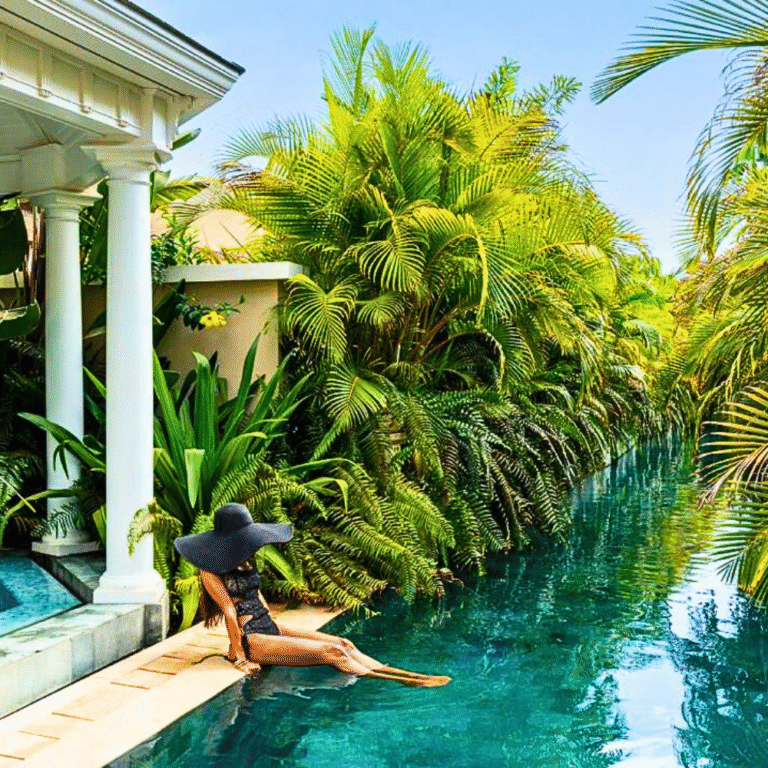
Tenerife Holiday Guide
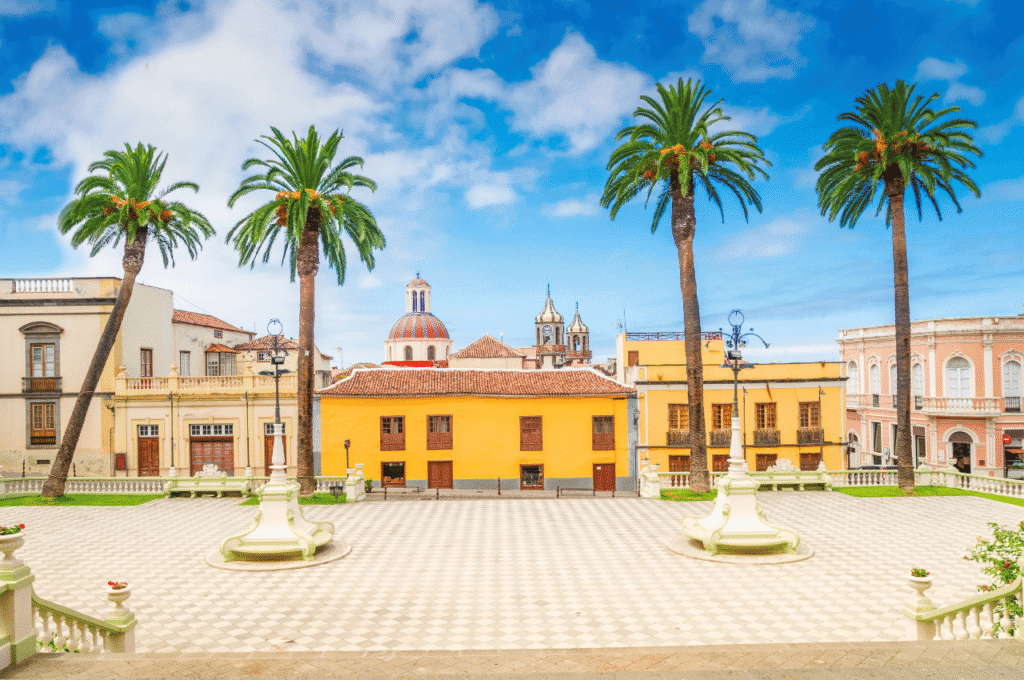
Thinking about escaping to the sun? Then you’re in the right place. This Tenerife holiday guide will show you how to enjoy the island without wasting time or money. Tenerife is not just about lying on a beach with a cocktail, although you can do that too. It’s about volcano hikes, black sand beaches, food that makes you forget your diet, and tiny towns that feel like hidden gems. I’ve been there, and trust me, this island has layers.
By the end of this guide, you’ll know where to go, what to eat, and how to squeeze every drop of fun out of your trip.
Just a quick note before we dive in: some of the links in this article are affiliate links. That means I may earn a small commission if you decide to book or buy through them, but it won’t cost you anything extra. I only recommend places and experiences I truly believe in (and often love myself), so think of it as a way to support my work while I keep sharing travel tips with you.
Things to do in Tenerife
Popular activities
🏖️ Cable Car up Mount Teide
🐬 Dolphin & whale watching
🌴 Explore the Masca Valley
😎 Swim in natural lava pools
🏄 Visit Loro Parque

Places to visit
🏖️ Mount Teide
🐬 Los Gigantes Cliffs
🌴 La Orotava
😎 El Medano
🏄 Anaga Rural Park

Best beaches
🏖️ Playa de Las Teresitas
🐬 Playa Del Duque
🌴 Playa de Benijo
😎 Playa Jardin
🏄 Playa de El Medano

Must-try foods
🥔 Papas Arrugadas con Mojo
🐬 Cherne
🥗 Ropa Vieja
🍌 Platanos de Canarias
🧀 Queso Asado

Best time to visit Tenerife
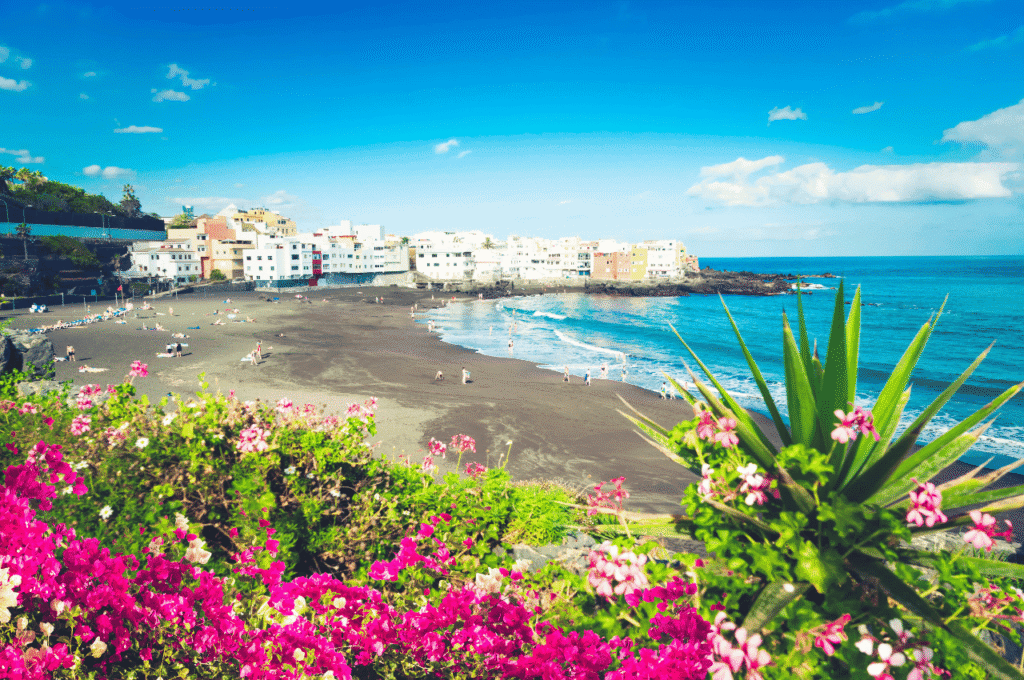
🌸 Spring (March–May)
Temperatures rise gently to 20–24°C, with far fewer tourists than in winter or summer. The island feels calm, flowers are blooming, and prices for hotels are lower, making it a smart choice for budget-conscious travellers. Beaches are quieter, and Mount Teide is stunning in clear spring skies. It’s an underrated season that balances sunshine, space, and savings.
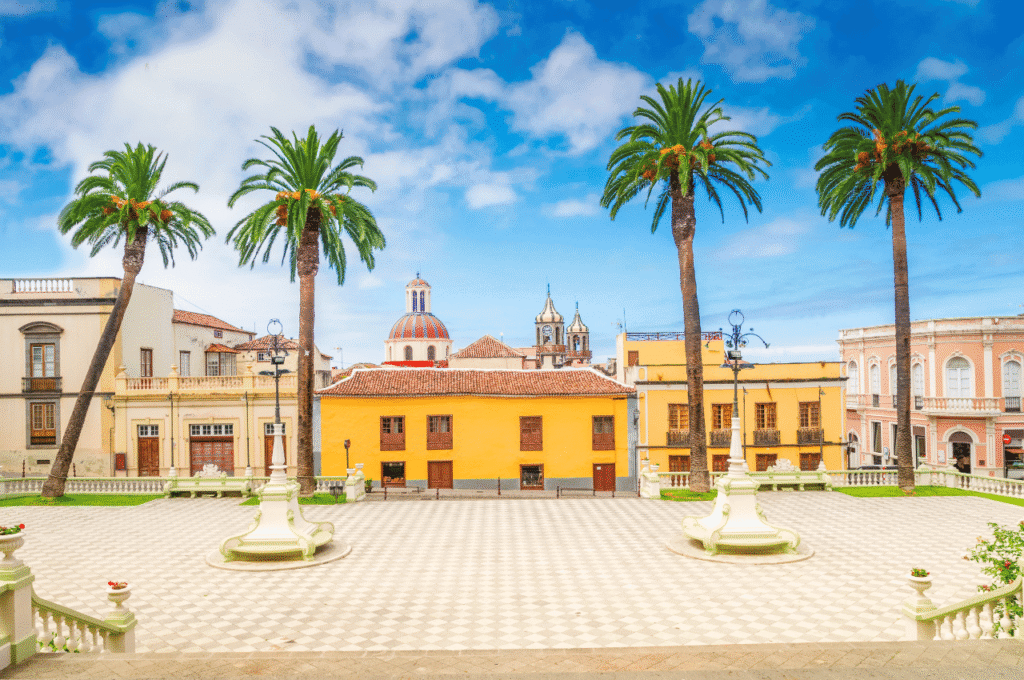
☀️ Summer (June–August)
Hot and lively, with daily highs reaching 28–30°C and endless sunshine. This is peak season, so beaches are packed, nightlife is buzzing, and prices jump. Families and party seekers will love the energy, while peace hunters may find it overwhelming. It’s the best time for long beach days and late nights, but book everything early to avoid stress.
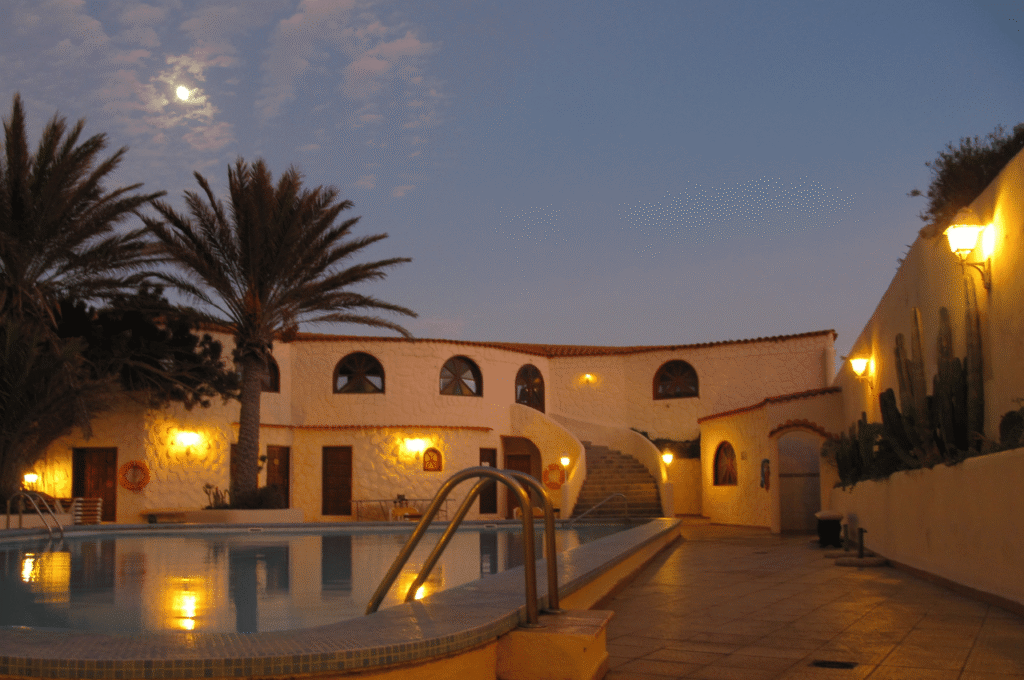
🍂 Autumn (September–November)
Temperatures ease to a pleasant 23–27°C, the sea is warm, and the summer crowds thin out. Prices drop, making it one of the best times for value and comfort. The vibe slows down, with more locals than tourists. Hiking trails are at their best, and you’ll still enjoy plenty of beach time well into November. A sweet off-season gem.
❄️ Winter (December–February)
Mild and sunny, with average highs around 20°C. It’s the perfect escape from freezing European winters, so expect bigger crowds and higher prices, especially in resorts. The vibe is festive and laid-back, with Christmas lights and New Year fireworks adding charm. Hiking and sightseeing are comfortable without the summer heat. Book flights early to get decent deals.
Where to stay in Tenerife
Getting around Tenerife
Moving around the island is part of the adventure, and the right choice depends on how flexible you want your trip to be. In this Tenerife holiday guide, I’ll walk you through the main ways to get around so you can plan your days without stress.
Renting a Car
The easiest way to explore Tenerife is by renting a car. Roads are in great condition, signs are clear, and driving gives you the freedom to discover hidden villages or stop at viewpoints along the coast. Prices vary by season, but you can often find deals from €15–25 a day if you book ahead. Keep in mind that parking in busy resorts like Costa Adeje can be tricky.
Buses (Guaguas)
If you don’t want to drive, buses called “guaguas” by locals are cheap and reliable. TITSA, the main bus company, covers almost the entire island. You can get from the airport to popular resorts or even across the island for just a few euros. The rides are slower than driving, but they’re budget-friendly and a good way to see the landscape without stress.
Taxis
Taxis are widely available and metered, so you don’t have to worry about negotiating prices. They’re perfect for short trips, late nights, or when you’re too tired to figure out bus routes. For longer distances, though, they can get pricey compared to renting a car.
Travel Tip: If you plan to use buses often, buy a TEN+ card from bus stations or shops. It makes rides cheaper and saves you the hassle of paying cash each time.
Food & Drink to Try
Tenerife’s food scene is one of the most pleasant surprises on the island. It’s a mix of hearty island flavours, Spanish flair, and a touch of Latin influence. Forget the tourist menus for a second: the real treasures are found in guachinches, small family-run spots serving homemade food, local wine, and warm smiles.
Start with papas arrugadas, those perfectly salted “wrinkled potatoes” served with mojo – a sauce that comes in two moods: fiery red or herby green. You’ll want to dip everything in it.
Seafood lovers should hunt down cherne (a local white fish), grilled fresh and usually served with papas and salad. And if you spot goat stew or rabbit on the menu, that’s the island’s countryside comfort food (slow-cooked, rich, and ridiculously good).


For something sweet, don’t miss bienmesabe, a local dessert made with almonds, honey, and eggs. It literally means “tastes good to me,” and it absolutely does. Pair it with a strong barraquito, Tenerife’s signature layered coffee with condensed milk, cinnamon, and a splash of liqueur. It’s dessert in a cup and an instant mood-booster.
If you enjoy wine, look for bottles from the Tacoronte-Acentejo region: volcanic soil gives them a lovely earthy note. Or, better yet, visit a small vineyard for a tasting. They’re relaxed, scenic, and often family-run.
Come hungry, order what the locals are having, and don’t rush it. The food here isn’t just delicious; it’s part of the island’s rhythm.


Hidden gems
Everyone knows about Mount Teide, the cable car views, and Costa Adeje’s sun loungers. But Tenerife’s real magic hides in the quieter corners: the places that don’t shout for attention but leave you thinking, how did I not know about this?
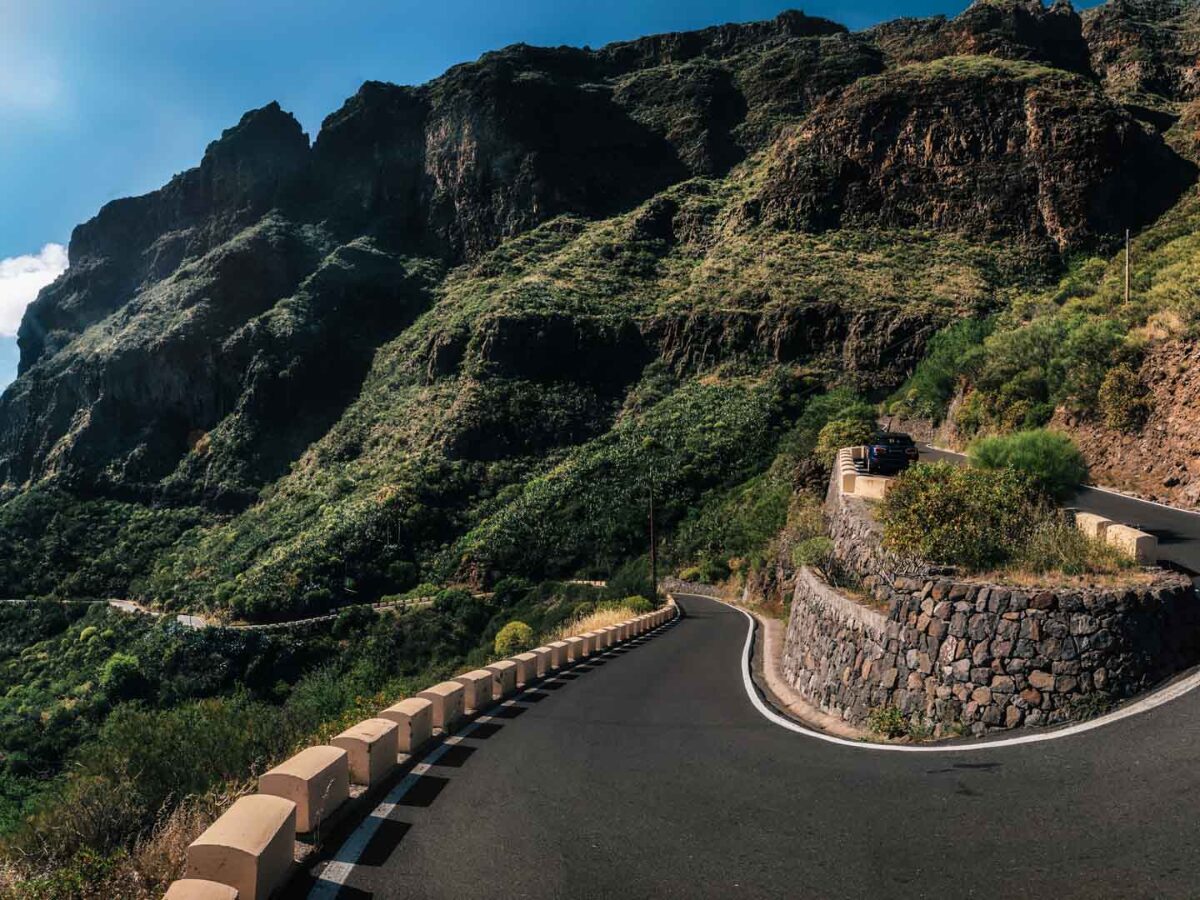
Start with Masca Village, tucked between dramatic ravines in the northwest. The drive there will test your nerves (and your steering), but the view at the top is worth every twist and turn. It feels like stepping into another world (one where time moves slower and Wi-Fi barely exists).
Then there’s Garachico, a charming seaside town rebuilt after a volcanic eruption. The natural lava pools here are pure magic: perfect for a dip on a warm afternoon, surrounded by black rock and the sound of crashing waves. It’s one of those places that feels more local than touristy, and you’ll probably find yourself staying longer than planned.


If you want something greener, head to Anaga Rural Park in the island’s northeast. It’s lush, misty, and full of trails that look straight out of a fairy tale. Wander through ancient laurel forests, and you’ll understand why locals say this is Tenerife’s soul.
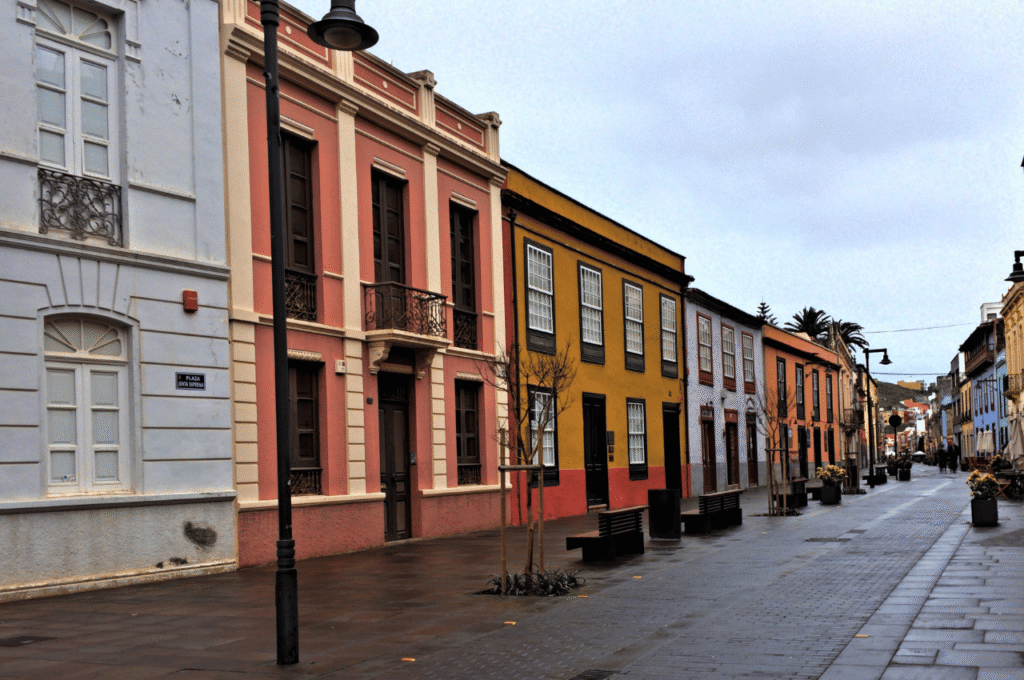
And for a final surprise, visit La Laguna, the island’s former capital and a UNESCO World Heritage Site. Its pastel-coloured streets, quirky cafes, and mix of colonial charm and student energy make it one of the most underrated spots on the island.
So yes – the beaches are lovely, but Tenerife’s heart beats in its hidden corners. Go explore them.


Tenerife Holiday Guide FAQ
1. Best Areas to Stay in Tenerife
Choosing where to stay depends on the kind of holiday you want. Tenerife has two very different sides, and both offer unique experiences. Here’s a closer look at what each has to offer.
North Tenerife
The north is greener, cooler, and less crowded, perfect for travellers who enjoy a more authentic local experience. Towns like Puerto de la Cruz offer charming streets, historic architecture, and a relaxed coastal vibe. La Laguna, a UNESCO World Heritage site, is great if you enjoy culture, colonial buildings, and university town energy. The climate is milder, with more clouds and occasional rain, especially in winter. You’ll find smaller hotels and guesthouses, generally cheaper than the south, and local restaurants with traditional Canarian cuisine. The north is ideal for hiking, exploring volcanic landscapes, and enjoying quieter beaches with black sand. The downside is that it’s less sunny and some tourist facilities are limited.
South Tenerife
The south is sunnier, warmer, and built for holidaymakers. Resorts like Costa Adeje, Los Cristianos, and Playa de las Américas have golden beaches, big hotels, and plenty of family-friendly activities. This side is perfect if you want guaranteed sun, organized excursions, water sports, and nightlife. It’s more commercial, so expect larger crowds and higher prices, particularly in summer and school holidays. The south is also the best choice for luxury hotels, beachfront dining, and theme parks like Siam Park. You’ll get a lively, energetic atmosphere and plenty of entertainment options.
Quick Tip: For a balanced experience, stay in the south to enjoy beaches and sunshine, then plan a day trip north to see greener landscapes, traditional towns, and hiking trails.
2. Best Beaches in Tenerife
Tenerife isn’t just volcanic landscapes and mountain hikes; its beaches are a big reason people come here. From black sand to golden shores, there’s something for every vibe, whether you want peace, family fun, or a little people-watching. Here are four of the best beaches you shouldn’t miss:
1. Playa de Las Teresitas
If you’re after sun, sand, and calm waters, this is your spot. With imported golden sand and a long stretch of calm Atlantic water, it’s perfect for swimming and relaxing. Palm trees line the promenade, making it feel like a tropical postcard. Early mornings are quieter if you want space to yourself.
2. Playa Jardín, Puerto de la Cruz
Designed by César Manrique, this black sand beach mixes beauty with art. Gardens, volcanic rocks, and a walking path make it a great spot for strolling or sunbathing. Waves are stronger here, so bring a hat for the spray if you’re sitting close to the water. The north vibe is chill, so it’s less crowded than the south beaches.
3. Playa del Duque, Costa Adeje
This is the luxury beach experience. Soft golden sand, clear water, and high-end restaurants nearby. Perfect if you want a glamorous day by the sea. It can get busy during peak season, but it’s a sunbather’s paradise and ideal for families or couples who like a cleaner, quieter setup.
4. Playa de Benijo
For adventurers and photographers, this is the beach to explore. Remote, black sand, dramatic cliffs, and waves that crash with a little attitude. Not great for swimming, but perfect for sunset views, a quiet escape, and that Instagram shot everyone envies. Bring your camera and sense of adventure.
Quick Tip: South beaches are sunnier and busier, north beaches are greener and quieter. Mix and match to get the full Tenerife beach experience.
3. Cultural & Historical Sites in Tenerife
Tenerife has a surprising number of cultural and historical gems. La Laguna, a UNESCO World Heritage town, is full of colourful colonial buildings, cobbled streets, and charming squares. Garachico is a coastal town rebuilt after a volcanic eruption, with lava pools and historic architecture. Don’t miss small villages like Masca or Icod de los Vinos, where you can stroll narrow streets, enjoy local shops, and spot the famous Dragon Tree. Museums are scattered across the island, including the Museum of Nature and Man in Santa Cruz, perfect if you want to learn about Tenerife’s history and indigenous Guanche culture.
Tip: Many towns are best explored on foot, so wear comfortable shoes and leave extra time to wander. Early mornings are quieter, giving you a chance to enjoy the sights before crowds arrive.
4. Nightlife in Tenerife
Tenerife doesn’t sleep when the sun goes down. The south is the hotspot if you want lively bars, clubs, and evening entertainment. Playa de las Américas is where the action is, with beachfront bars, DJs, and late-night parties. Costa Adeje is a bit calmer but has chic lounges and cocktail spots for a more relaxed evening. In the north, towns like Puerto de la Cruz offer cosy pubs, live music, and a local vibe, perfect if you prefer laid-back nights.
Tip: Weekends are busiest, so arrive early if you want a table or a good spot at a popular bar. For clubs, booking online sometimes saves you a queue, especially in peak season.
5. Tenerife Travel Tips
To ensure your travel is as seamless as possible, our Tenerife holiday guide has a few travel tips you should know before you go:
Rent a car if you want to explore beyond the main resorts. Roads are good and parking is usually easy outside busy areas.
Use the TEN+ card for cheaper bus rides if you rely on public transport. It saves money and makes paying easier.
Pack layers. Even if it’s sunny on the coast, higher areas like Mount Teide can be chilly, especially in winter.
Book activities in advance. Popular attractions like Siam Park, Loro Parque, and Teide cable cars sell out fast in peak season.
Try local food. Go for papas arrugadas, fresh seafood, and Canarian tapas at small local restaurants rather than only tourist spots.
Check sunrise/sunset times. Tenerife’s landscapes are stunning early or late in the day, especially for hiking and photography.
Bring cash for small towns. Some local shops, markets, or cafes may not take cards.
Respect nature and local rules. Tenerife has volcanic landscapes, protected parks, and unique wildlife; don’t leave trash or stray from marked trails.