
Da Nang Vietnam: Travel Guide
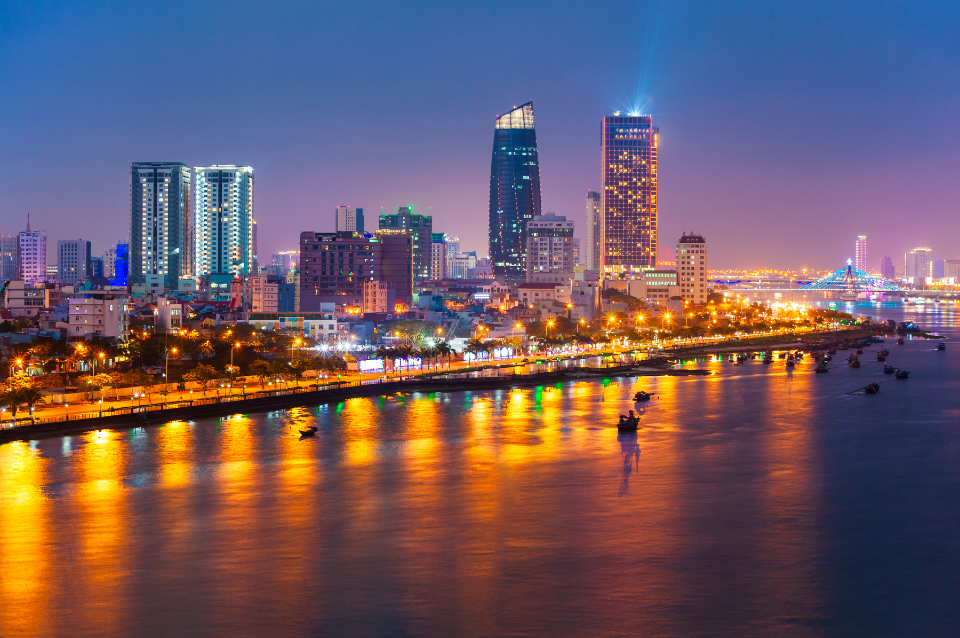
If you’re planning a trip to Da Nang, Vietnam, you’re in for a treat. This coastal city has it all: golden beaches, buzzing night markets, ancient temples and rooftop bars with views you’ll want to brag about. It’s the kind of place where you can climb marble mountains in the morning, eat a bowl of steaming mì Quảng for lunch, and finish the day watching the Dragon Bridge breathe fire.
Da Nang isn’t as chaotic as Hanoi or as touristy as Ho Chi Minh City, which makes it a sweet spot for anyone who wants a mix of culture, adventure, and chill time by the sea. If you’re here for a few days or a couple of weeks, this guide will walk you through the best things to see, where to eat, where to stay and how to make the most of your time.
Just a quick note before we dive in: some of the links in this article are affiliate links. That means I may earn a small commission if you decide to book or buy through them, but it won’t cost you anything extra. I only recommend places and experiences I truly believe in (and often love myself), so think of it as a way to support my work while I keep sharing travel tips with you.
Things to do in Da Nang
Popular activities
🏖️ Go fishing at Tien Sa Port
🐬 Ride the Ba Na Hills Cable Car
🌴 Visit the Museum of Cham Sculpture
😎 Trek to the Marble Mountains
🏄 Vietnamese Cooking Class

Must-try Foods
🏖️ Mi Quang
🐬 Bun Cha Ca
🌴 Banh Xeo
😎 Nem Lui
🏄 Banh Trang Cuon Thit Heo

Instagrammable
🏖️ Golden Bridge
🐬 Marble Mountains
🌴 My Khe Beach
😎 Dragon Bridge
🏄 Linh Ung Pagoda

Best Beaches
🏖️ My Khe Beach
🐬 Non Nuoc Beach
🌴 Bac My An Beach
😎 Tien Sa Beach
🏄 Pham Van Dong Beach

Best time to visit Da Nang
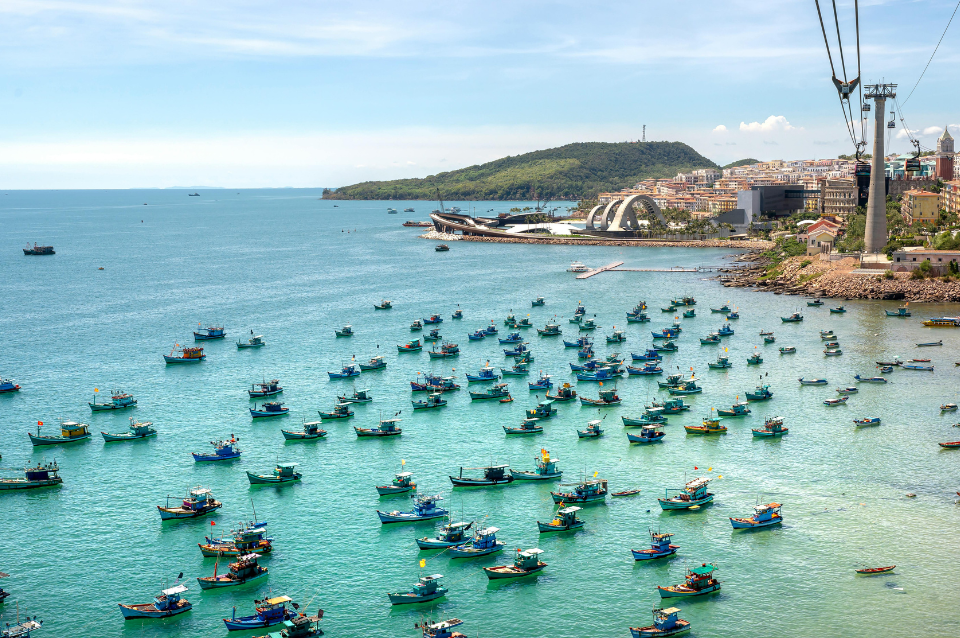
🌸 Spring (March–May)
Spring in Da Nang is a sweet spot. The skies are clear, temperatures sit between 25–30°C, and the humidity is still friendly. The beaches aren’t packed yet, so you’ll find plenty of space for a morning swim. Prices are fair, and hotel deals are easy to catch before summer rush kicks in. It’s the perfect time for sightseeing and hiking around the Marble Mountains without melting in the heat.
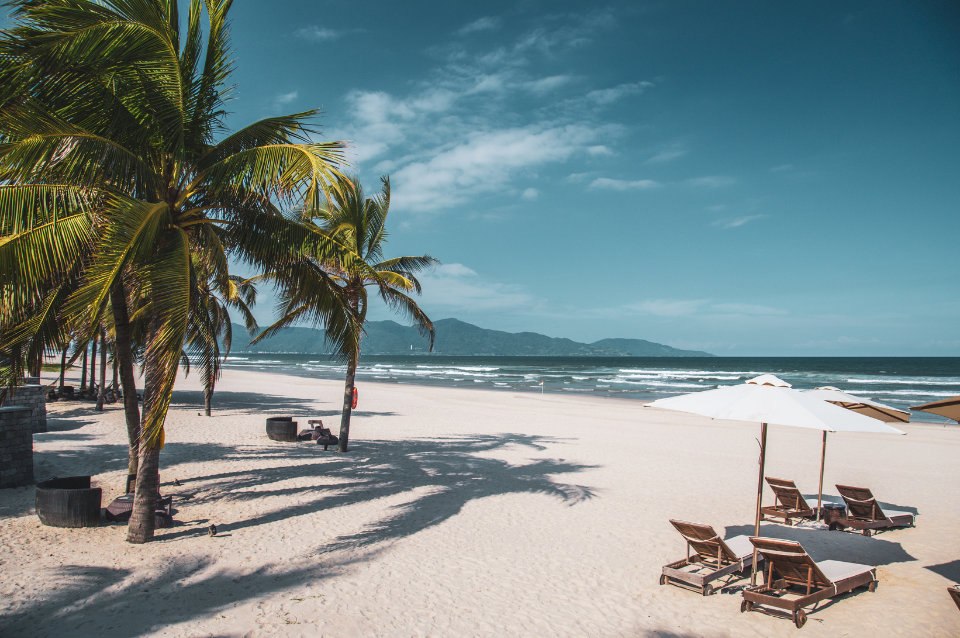
☀️ Summer (June–August)
Summer is peak season in Da Nang, and it shows. Expect temperatures around 30–35°C, lots of sunshine, and busy beaches full of both locals and tourists. This is prime time for water sports, late-night beach walks, and rooftop bars. The downside? Higher prices and bigger crowds. If you’re after energy and buzz, this is your season. If not, prepare to escape to nearby Ba Na Hills for some cooler air.

🍁 Autumn (September–November)
Autumn is a mixed bag in Da Nang. The heat cools to 25–28°C, the crowds thin out, and hotels slash their prices. The catch? Rain showers are frequent, sometimes heavy, but they rarely last all day. Bring a light raincoat, and you’ll still enjoy quiet beaches and relaxed streets. It’s also a great season to explore the local food scene without waiting in line. Think of it as the budget-friendly time to visit.
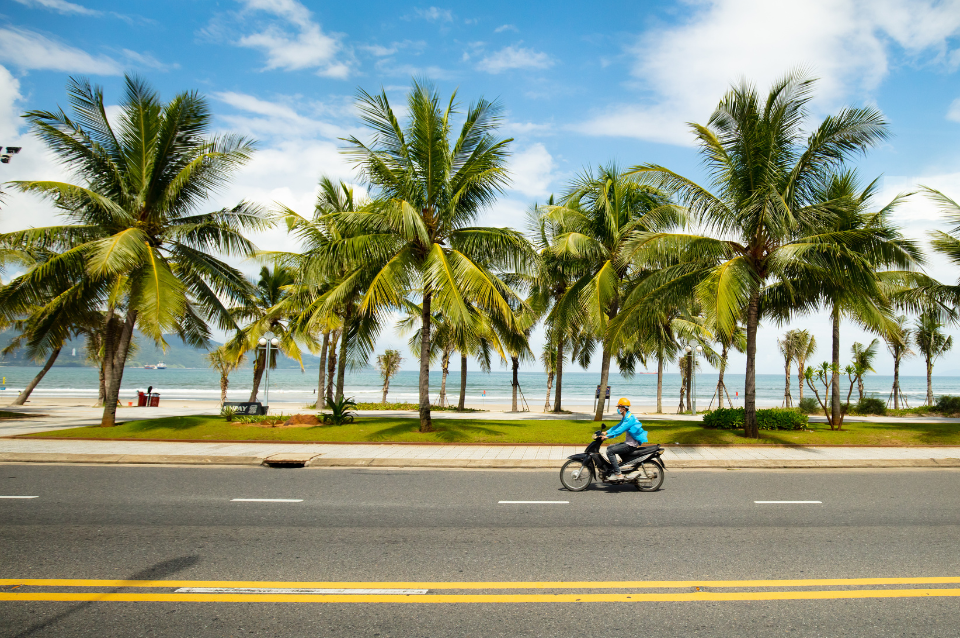
❄️ Winter (December–February)
Winter in Da Nang is mild and calm. Temperatures range between 18–24°C, making it comfortable for walking tours and temple visits. The beaches aren’t at their best for swimming, but the cooler vibe makes exploring the city much easier. Crowds are smaller and the prices dip. Lunar New Year sometimes falls in this period, so you might catch the city dressed up in lanterns and festive markets.
Where to stay on Da Nang

How to Get Around Da Nang
Getting around Da Nang is surprisingly easy, but each option comes with its perks and quirks. Here’s how you can move around the city without wasting time or money.
Renting a Bike or Scooter
This is the most popular choice, and for good reason. Renting a scooter costs around $5–7 per day, and it gives you total freedom to zip between the beach, the city, and nearby attractions. Traffic can look chaotic at first, but most travelers get used to it quickly. Always wear a helmet, and make sure your rental includes insurance. Pro tip: download Google Maps offline before you go, since not all areas have steady coverage.
Buses and Local Transport
Da Nang has a simple bus network that connects the city to Hoi An, Marble Mountains, and other nearby spots. It’s cheap, usually less than $1 per ride, but not the fastest way to get around. If you’re on a budget and don’t mind waiting a bit, it works fine. For more flexibility, look into the newer shuttle services or shared vans that run between Da Nang and Hoi An—they save time and are still affordable.
Taxis and Ride-Hailing Apps
If you don’t want to deal with scooters or buses, taxis are everywhere. Just make sure you pick a reliable company like Mai Linh or Vinasun to avoid inflated fares. A safer option is to use ride-hailing apps like Grab, which show you the price upfront and let you pay by card or cash. They’re great for late nights when you don’t want to haggle or when the rain suddenly kicks in.
Da Nang Vietnam
FAQ
1. How long should you stay in Da Nang?
Da Nang is the kind of place where you can stay for two days or two weeks, depending on your travel style. If you’re short on time, 2 to 3 days is enough to see the highlights: Marble Mountains, My Khe Beach, Ba Na Hills, and a quick stroll along the Dragon Bridge at night. If you have 4 to 5 days, you can slow down, add day trips to Hoi An and Hue, and still have time to relax by the beach. Many people even stay a full week or more, especially if they want to mix sightseeing with a proper beach holiday. The city has a relaxed vibe, so you won’t feel rushed, but plan at least a few days to really enjoy it without hopping from one attraction to the next.
2. Is Da Nang safe?
Yes, Da Nang is generally very safe for travelers. The crime rate is low compared to many other cities in Asia, and locals are welcoming and helpful. You can walk around at night in most areas without worrying, especially along the riverside or near the beach. That said, like in any busy city, keep an eye on your belongings because petty theft and motorbike snatch thefts can happen. Traffic is probably the biggest “danger,” so always be cautious when crossing the road. If you use common sense and stay aware, Da Nang feels like one of the most relaxed and secure cities to explore in Vietnam.
3. What’s the easiest way to get to Da Nang, Vietnam?
Getting to Da Nang is simple, thanks to its international airport Da Nang International Airport (DAD)—which is just a 10–15 minute drive from the city center.
- ✈️ From Europe, there are no direct flights yet, but it’s easy to connect through hubs like Bangkok, Doha, Singapore, or Kuala Lumpur. You can fly to Bangkok with many airlines, then hop on a short 1.5-hour flight to Da Nang.
- ✈️ From the USA, you’ll also need a stopover. Most travelers connect via Tokyo, Seoul, or Taipei before flying into Da Nang. It’s a long journey, but connections are smooth with major airlines.
- ✈️ From Asia, it’s super convenient. There are direct flights to Da Nang from cities like Singapore, Seoul, Kuala Lumpur, Bangkok, Hong Kong, and several cities in China.
- ✈️ From Africa, routes often go through the Middle East—Doha or Dubai—then connect via Southeast Asia. While it takes a bit longer, the connections are reliable.
Once you arrive, the airport is modern and hassle-free. It’s one of the easiest parts of your Da Nang Vietnam adventure.
4. Is English spoken in Da Nang?
Yes, English is widely spoken in Da Nang, especially in areas popular with tourists. Hotels, restaurants, tour operators, and cafes often have English-speaking staff, so getting around is generally easy for English-speaking travelers.
That said, in more local neighborhoods or markets, English may be limited. A few basic Vietnamese phrases (or a translation app 📱) can go a long way and often earn you a smile!
5. What is Da Nang famous for?
Da Nang is famous for its long sandy beaches, modern vibe, and a perfect mix of city life and nature. The most iconic spot is the Marble Mountains, a cluster of limestone hills filled with caves, temples, and viewpoints. The Dragon Bridge is another must-see, especially at night when it lights up and even breathes fire on weekends. Da Nang is also the gateway to Hoi An and Hue, which makes it a perfect base for exploring central Vietnam. And of course, the food deserves its own spotlight – think mì quảng noodles, fresh seafood, and endless street snacks. In short, Da Nang, Vietnam is known for being laid-back, scenic, and delicious all at once.