Crete Holiday Guide
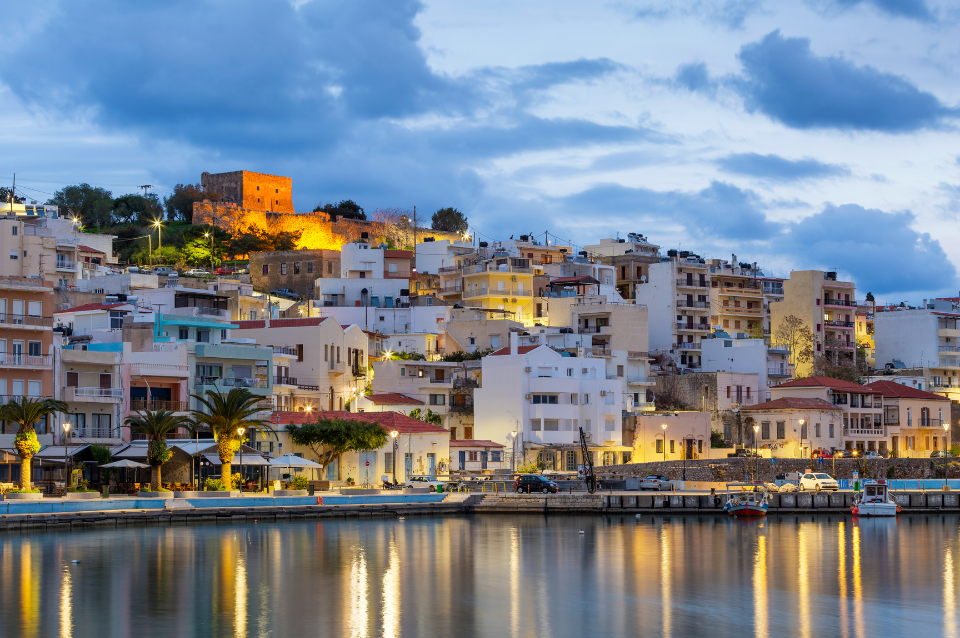
Crete isn’t just another Greek island you tick off a list, it’s practically a whole world wrapped in sunshine. Think turquoise beaches one day, ancient ruins the next, and tavernas where the wine flows like water. A Crete holiday guide should never be boring, because the island itself is anything but. You’ve got rugged mountains, postcard-perfect fishing villages, and enough history to keep even the “I don’t do museums” types impressed.
Whether you’re chasing lazy days by the sea, epic hikes through gorges, or endless plates of feta-drenched everything, Crete delivers.
This guide is here to help you plan your holiday like a pro, with real tips on when to go, where to stay, and what not to miss, so you can spend less time stressing and more time living your best Greek-island life.
Just a quick note before we dive in: some of the links in this article are affiliate links. That means I may earn a small commission if you decide to book or buy through them, but it won’t cost you anything extra. I only recommend places and experiences I truly believe in (and often love myself), so think of it as a way to support my work while I keep sharing travel tips with you.
Things to do in Crete
Places to visit
🏖️ Elafonissi Beach
🐬 Knossos Palace
🌴 Samaria Gorge
😎 Balos Lagoon
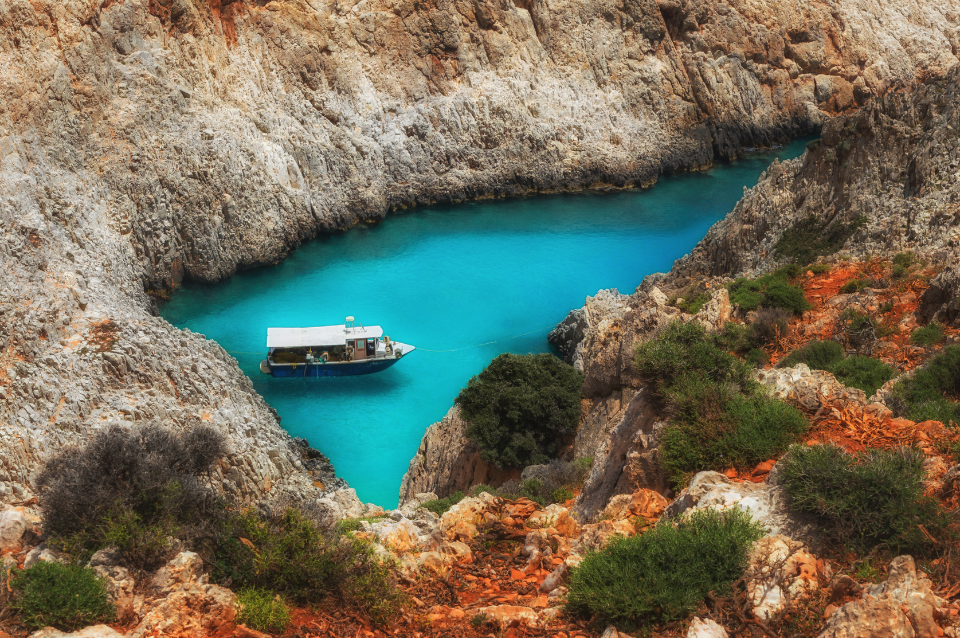
🏄 Seitan Limania Beach

Must-try Foods
🏖️ Kritikos Dakos
🐬 Moussaka
🌴 Graviera cheese
😎 Souvlaki
🏄 Cretan Honey

Popular Activities
🏖️ Snorkelling at Elafonissi Beach
🐬 Hiking the Samaria Gorge
🌴 Cretan Cooking Class
😎 Wine tasting
🏄 Boat tour on the Balos Lagoon

Instagrammable
🏖️ Rethymno Old Town
🐬 Seitan Limania Beach
🌴 Elafonissi Beach
😎 Spinalonga Island
🏄 Botanical Park of Crete

Best time to visit Crete
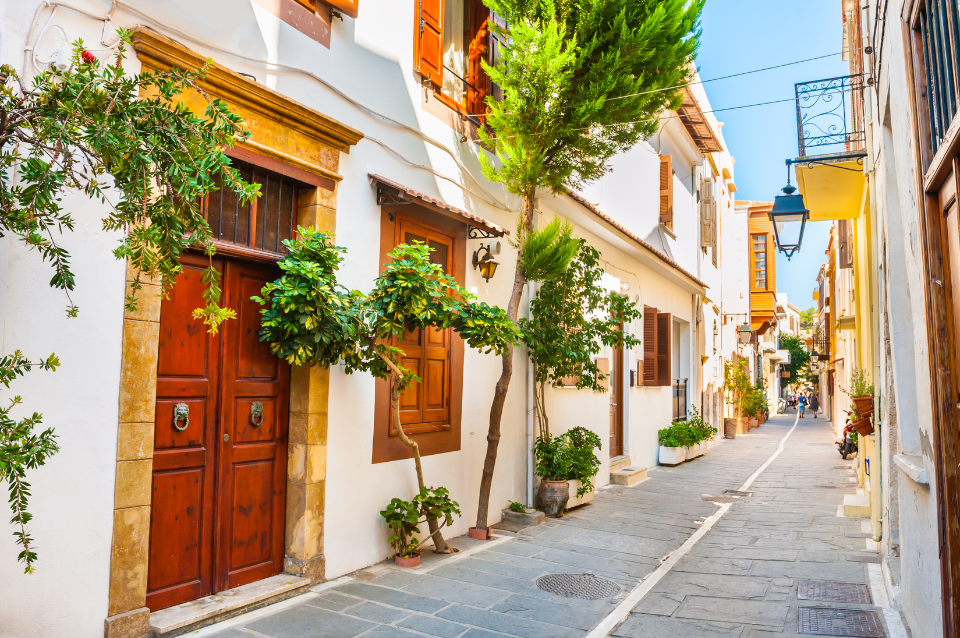
🌸 Spring (March–May)
Spring is that sweet spot before the summer madness. The island is bursting with wildflowers, the hills are green, and the weather is warming up without being scorching. Expect average temps around 18–22°C, perfect for hiking gorges or exploring ancient sites without melting. Crowds? Manageable. Flights and hotels? Still fairly reasonable. The vibe is relaxed, local, and authentic; you’ll feel like you’ve discovered Crete before everyone else shows up.
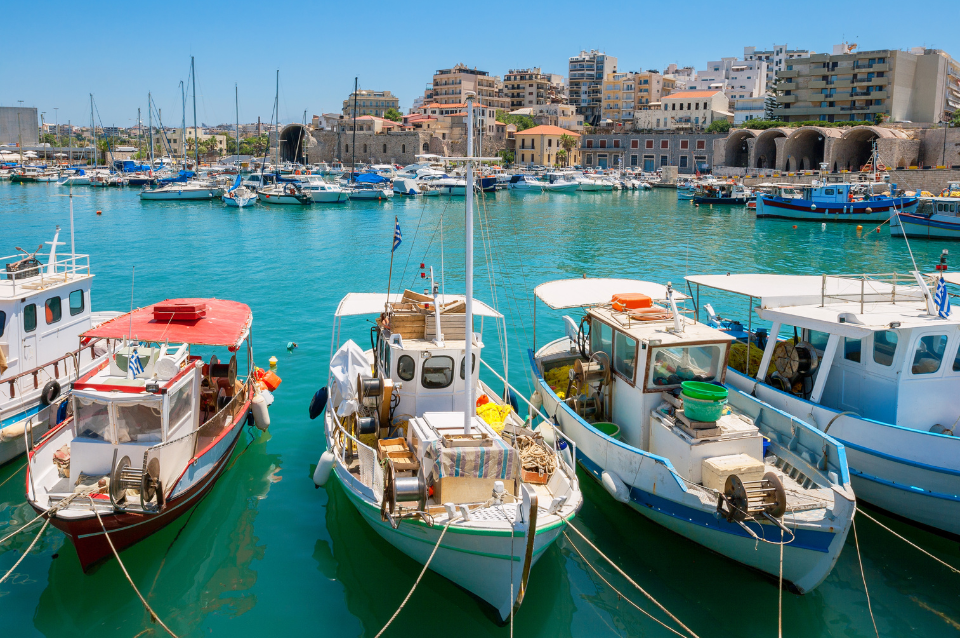
☀️ Summer (June–August)
Let’s be real: summer is peak Crete. The beaches are buzzing, the nightlife is alive, and the sun doesn’t quit. We’re talking 28–35°C, sometimes hotter if you’re inland. It’s paradise for swimmers and sun-lovers, but if you hate crowds, brace yourself: popular spots like Elafonissi and Balos can get jam-packed. Prices are higher too, so budget accordingly. The vibe? High-energy, festive, a little chaotic in the best way.
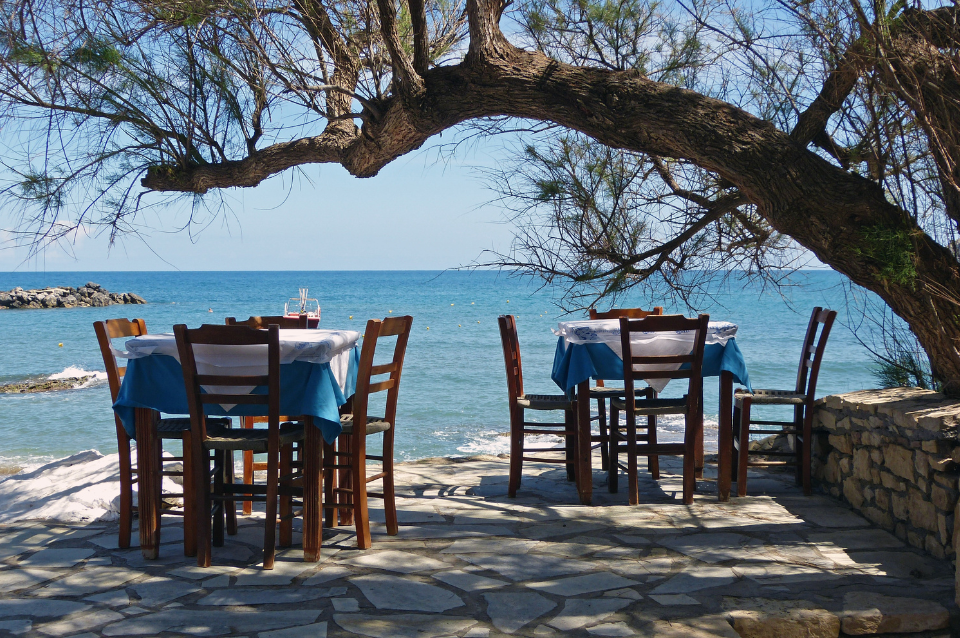
🍂 Autumn (September–November)
Autumn is hands-down one of the best times for a Crete holiday. The sea is still warm from summer, the weather is comfortable (22–28°C early autumn, dropping to 18°C by November), and the crowds have thinned out. Think long swims with fewer people around, olive harvests, and food festivals popping up. The vibe is more local, more mellow, and honestly, a little magical. You get summer perks without summer stress.
❄️ Winter (December–February)
Winter in Crete is mild compared to northern Europe, but don’t come expecting beach days. Average temps hover between 10–16°C, and yes, it rains more. Crowds? Basically gone, except in local towns and villages. This is when Crete slows down, goes quiet and feels super authentic. You’ll find cosy tavernas, roaring fireplaces, and the kind of local hospitality you can’t buy in July.
Where to stay in Crete
Cost & Budget Tips
Crete can be as affordable or as fancy as you want it to be. It’s one of those rare destinations where a beach picnic feels just as good as a fine-dining dinner with sea views. The trick is knowing when and how to spend your money, so you can get the most out of your trip without feeling like you need to sell a kidney when you get home.
1. Visit in shoulder season
If you can, skip July and August. Prices drop by almost half in May–June or September–October, and the weather is still warm enough for beach days. Plus, you’ll have more space (and fewer sunburnt tourists) to enjoy everything.
2. Eat where locals eat
The little tavernas away from tourist spots serve the best food: we’re talking huge portions, homemade olive oil, and wine that costs less than water. Avoid the beachfront menus in English and go for the place where the owner greets everyone like family.
3. Rent a car for longer stays
Public transport is great between major towns, but if you plan to explore remote beaches or mountain villages, renting a car actually saves you money (and time). Just make sure to book early if you’re visiting in summer.
4. Skip overpriced souvenirs
Olive oil, herbs, local honey, and raki (the Cretan spirit) are the best souvenirs. You’ll find them at markets for a fraction of the price you’d pay in tourist shops and they actually fit in your luggage.
5. Choose your splurges wisely
Maybe it’s a sunset dinner in Chania, a spa day, or that luxury stay by the sea. Pick one or two indulgences and balance them out with simple pleasures like bakery breakfasts or picnics on the beach.
Hidden Gems
Everyone raves about Balos Lagoon and Elafonissi – and sure, they’re gorgeous – but let’s talk about the places that don’t make it onto every postcard. Crete has this incredible way of hiding its best spots in plain sight, so if you like adventures that feel a little more personal, this is where the island shows its real charm.
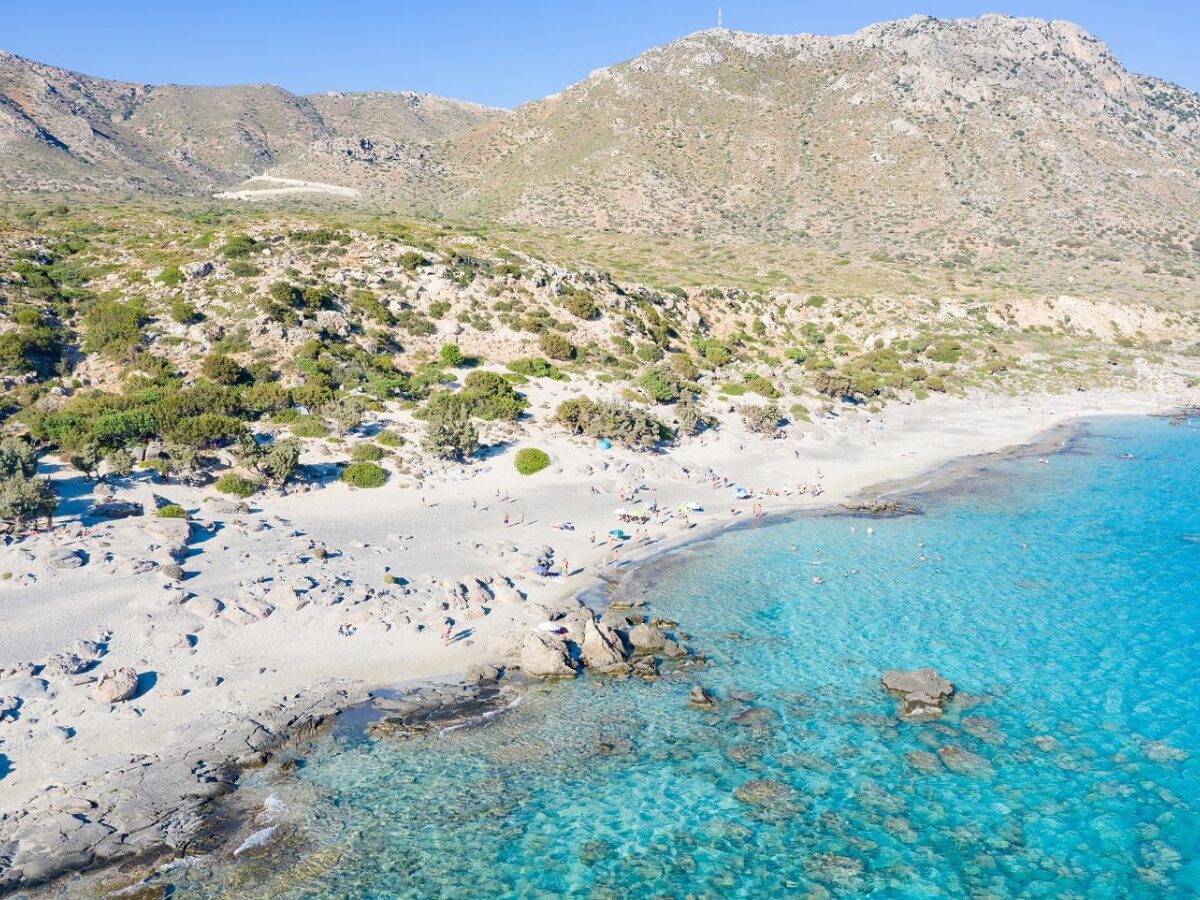
1.Kedrodasos Beach
Just down the coast from Elafonissi, Kedrodasos feels like its chilled, barefoot sister. You’ll find soft sand, turquoise water, and clusters of juniper trees that give it this wild, untouched vibe. There’s nothing commercial here, so pack water, snacks, and your best “I might never leave” attitude.
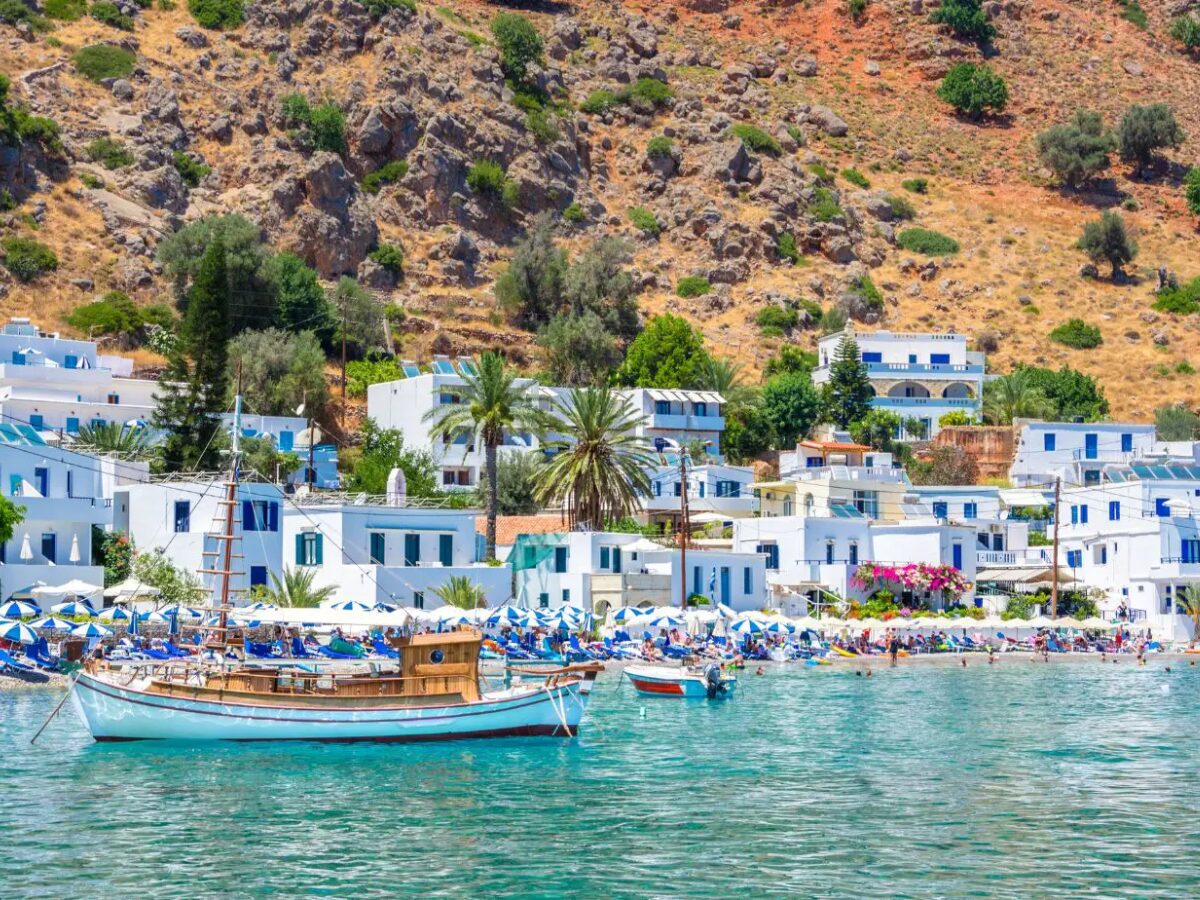
2. Loutro Village
Imagine a little whitewashed village that you can only reach by boat or hiking trail. No cars, no noise, just the sound of waves hitting the shore and plates clinking at the local taverna. It’s so peaceful you’ll forget what day it is – and honestly, that’s the point.
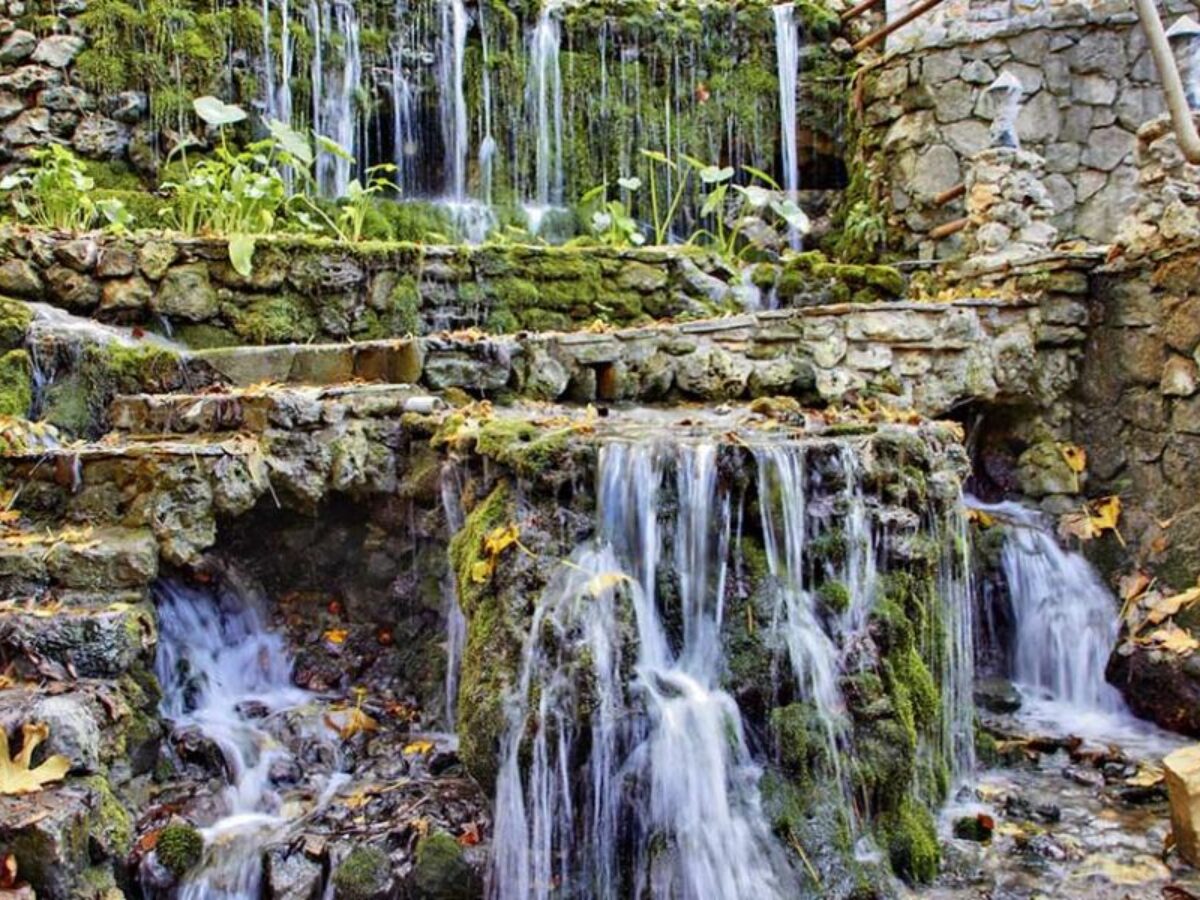
3. Argyroupoli Springs
Hidden in the hills near Rethymno, this place feels like stepping into a fairy tale. Tiny waterfalls flow between stone tavernas, the air smells like herbs and grilled fish, and locals sit under the trees chatting over coffee. Come hungry and don’t rush: this is slow-living perfection.
4. Mochlos
A tiny fishing village that feels like Crete in slow motion. You’ll spend your day wandering along the seafront, chatting with locals, and eating seafood so fresh it basically waves at you. There’s nothing flashy here – just that easy, effortless magic that makes you want to stay forever.
Tip: The best spots in Crete aren’t on Google Maps. Rent a car, follow the smallest road you can find, and see where it takes you. The island has a funny way of rewarding curiosity.
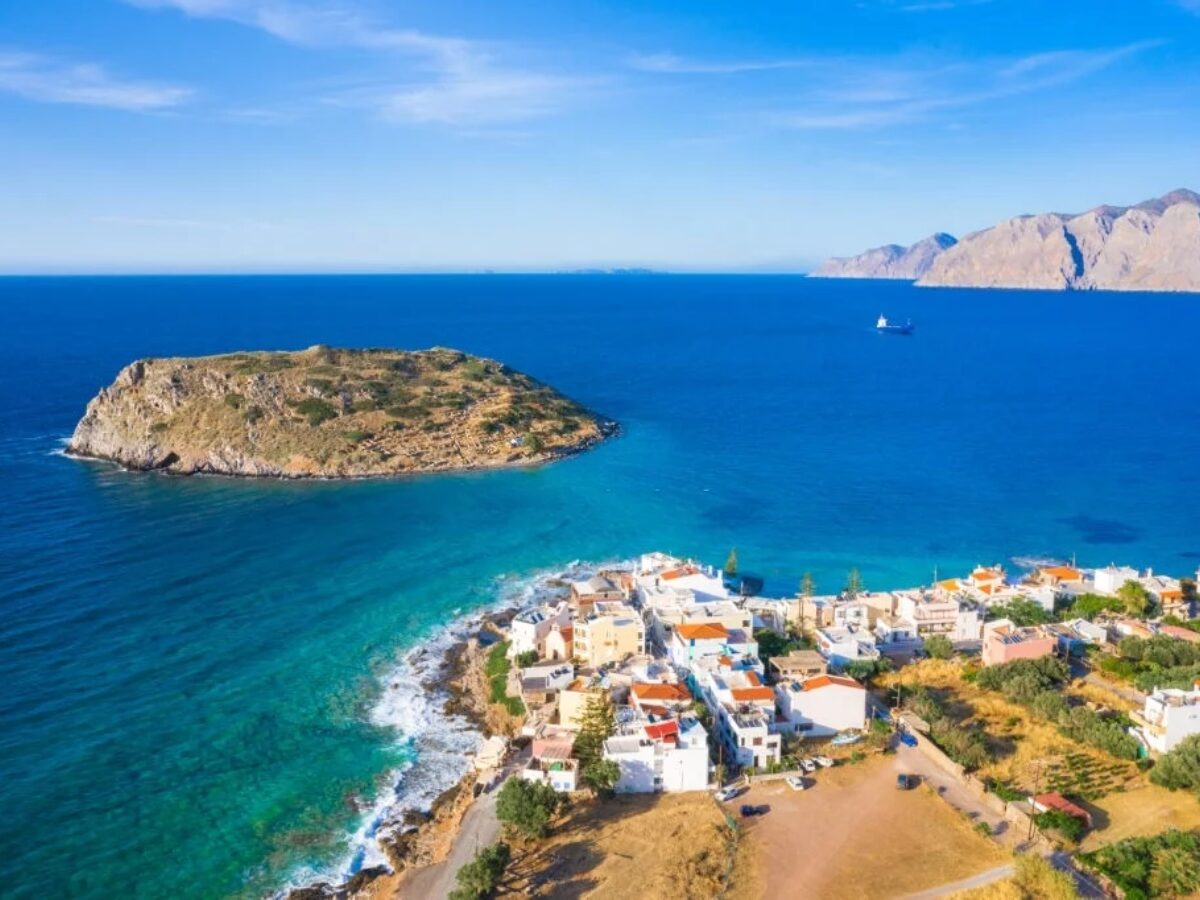
Crete holiday guide
FAQ
1. Where to stay in Crete?
Northern Coast (Chania, Rethymno, Heraklion)
Why: The northern coast of Crete is perfect for those seeking a mix of history, culture, and coastal beauty. Chania offers a picturesque Venetian harbour, Rethymno boasts charming narrow streets and old Venetian architecture, and Heraklion is ideal for history lovers, with easy access to the ancient ruins of Knossos and modern city life.
Southern Crete (Agia Galini, Matala, Lentas)
Why: If you’re looking for a quieter, less touristy experience, southern Crete is the place to be. With secluded beaches, authentic local vibes, and fewer crowds, this area is perfect for travellers seeking tranquillity and a more laid-back atmosphere.
Inland Villages (Anogeia, Archanes, and Margarites)
Why: For an authentic taste of traditional Cretan life, stay in one of the island’s inland villages. These areas are rich in history, offering opportunities for hiking, exploring local culture, and enjoying Cretan cuisine in family-run tavernas, all surrounded by stunning natural landscapes.
Eastern Crete (Agios Nikolaos, Elounda, Sitia)
Why: Eastern Crete offers a peaceful retreat with luxurious resorts, pristine beaches, and stunning sea views. It’s quieter than the bustling northern coast, making it ideal for those seeking relaxation and a more upscale vacation experience, with plenty of fine dining and boutique hotels.
Heraklion City Center
Why: For travellers who want to combine history, shopping, and vibrant nightlife, Heraklion city centre is the best option. With easy access to ancient ruins, museums, and lively streets filled with cafes and shops, this area provides a dynamic, urban experience on the island.
2. How many days to visit Crete?
3–5 Days: A Short but Sweet Visit
Why: If you’re short on time, 3 to 5 days in Crete can still offer a great mix of cultural sights and relaxation. You’ll have enough time to explore Heraklion and its surroundings, visit the ancient ruins of Knossos, and enjoy some beach time on the northern coast. This is perfect for a quick getaway or a first-time visit to Crete.
7–10 Days: A Balanced Exploration
Why: With a week or more, you can dive deeper into the island’s charm. You can explore the vibrant towns like Chania, Rethymno, and Agios Nikolaos, visit more remote beaches, and take in the local culture. This time frame allows you to experience Crete’s blend of relaxation, history, and natural beauty, with more freedom to travel between regions.
10–14 Days: A Complete Crete Experience
Why: If you’re looking for a relaxed, slow-paced Crete holiday, you can truly experience everything Crete has to offer. You can explore both the bustling cities and the more serene southern beaches, hike the famous Samaria Gorge, and enjoy multiple days of sun and sea. This is ideal for those looking to fully immerse themselves in Crete’s beauty, culture, and history.
3. Where to fly for your Crete holiday?
Crete is easily accessible with two main international airports:
✈️ Heraklion Airport is the busiest and offers the most flights, making it ideal for travelers coming from various parts of Europe and beyond.
✈️ Chania Airport serves as a great option for those heading to the western part of the island, especially if you’re looking to explore charming towns like Chania.
Both airports are well-connected to major cities, with several transport options like buses and car rentals to get you to your destination. Whether you’re visiting for a relaxing Crete holiday or an adventure-packed getaway, flying into either of these airports will give you easy access to the island’s beauty and culture.
4. How to Get Around Crete
Crete is a large island with so much to see, from beaches to mountain villages, so planning your transport is key. Getting around efficiently will make your holiday more relaxing and let you discover hidden gems. Here’s what you need to know:
Renting a car – By far the easiest way to explore Crete at your own pace. You can reach secluded beaches, wander through villages, and take scenic mountain drives. Roads are generally good, but some rural routes are narrow and winding, so drive carefully. Booking in advance, especially in summer, usually gets you better rates.
Buses – A budget-friendly option for major towns like Heraklion, Chania, Rethymno, and Agios Nikolaos. Buses are reliable but can be infrequent for smaller villages or late in the evening. Perfect if you plan to stick to the main tourist hubs and don’t want the hassle of driving.
Taxis – Convenient for short distances, airport transfers, or when you don’t want to deal with parking. Taxis can be expensive for longer trips, but for a quick hop between towns or a ride to a hidden beach, they’re handy.
Pro tip: If you want to explore off-the-beaten-path spots, like the less-visited south coast beaches or mountain villages, a car is essential. For city-based stays, buses and taxis can cover most of your needs without breaking the bank.
5. Is Crete Worth Visiting?
Absolutely! – Crete holidays are a fantastic choice for those looking for a blend of history, natural beauty, and rich culture. This stunning island offers everything from ancient ruins and charming villages to some of the best beaches in Greece. Whether you’re a history enthusiast exploring the Minoan Palace of Knossos or an adventure seeker hiking the Samaria Gorge, Crete never disappoints. Plus, the warm Cretan hospitality and delicious food make it an unforgettable destination.