Best Emerging European travel destinations in 2026
Planning travel for the year ahead feels more thoughtful than ever. Instead of ticking off the usual favourites, more people are starting to look for places that feel fresh, less crowded, and easier to enjoy at a slower pace. That’s exactly why exploring the best emerging European travel destinations in 2026 isn’t just about the classics anymore.
Across Europe, there are destinations quietly stepping into the spotlight. Places with improving transport links, growing food scenes, better value hotels, and a calmer atmosphere than their more famous neighbours. These are the kinds of places that still feel authentic, where you can explore without queues and enjoy the experience without rushing.
In this guide, I’m sharing some of the best emerging European travel destinations in 2026 that are emerging for all the right reasons. Think under-the-radar cities, evolving regions, and destinations that offer beauty and culture without the crowds, perfect if you want travel to feel exciting again, not predictable.
1. Brasov (Romania)
Why it’s emerging in 2026
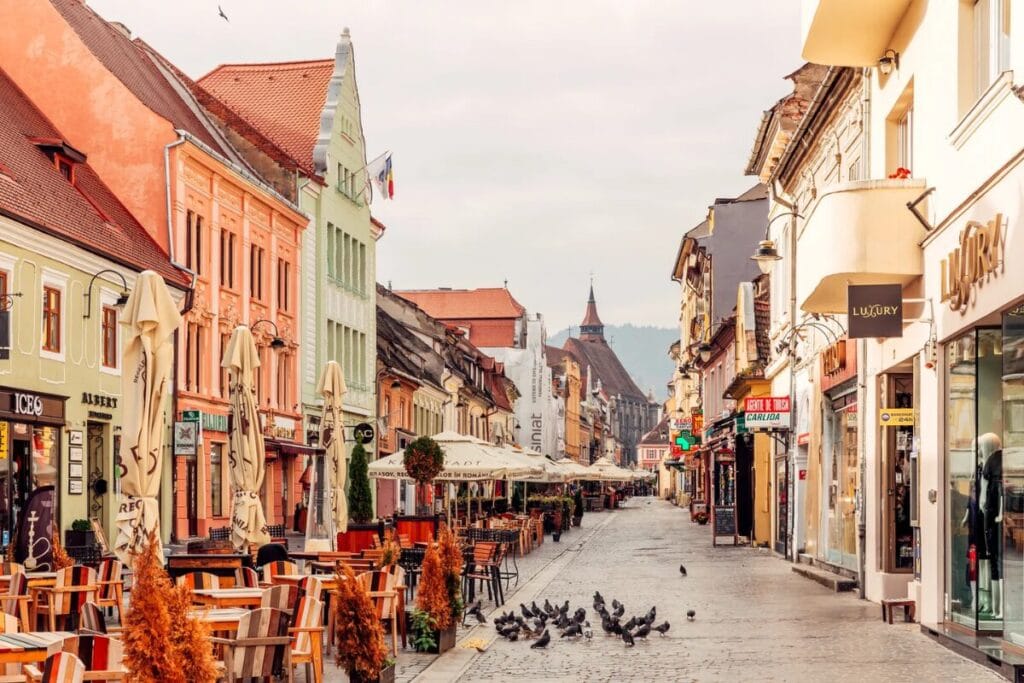
Brașov is quietly becoming one of the most interesting city breaks in Eastern Europe. It offers historic charm, beautiful scenery, and excellent value, without the crowds you’ll find in more established European cities. Better transport links, growing interest in Romania as a destination, and a renewed focus on culture and nature are putting Brașov on the map. It still feels under the radar, which is exactly why 2026 is such a good time to visit.
What it’s like
The city sits right at the edge of the Carpathian Mountains, so you get a mix of medieval old town, colourful streets, and mountain views. It feels calm, walkable, and easy to explore. Days are slow and scenic, with cafés, churches, and small squares rather than big-ticket attractions. It suits travellers who enjoy atmosphere, history, and a relaxed pace.
Best time to visit
Late spring and early autumn are ideal. May, June, September, and early October offer mild weather and fewer visitors. Winter is also appealing if you enjoy a cosy, festive feel, especially around Christmas.
How to get there from UK
Fly to Bucharest, then take a direct train to Brașov, which takes around 2.5 to 3 hours. The journey is scenic and very straightforward.
Where to stay
Stay close to the old town for easy walking access to cafés, restaurants, and sights. Boutique hotels and small guesthouses offer great value and a more personal experience than large chains.
2. Oulu (Finland)
Why it’s emerging in 2026
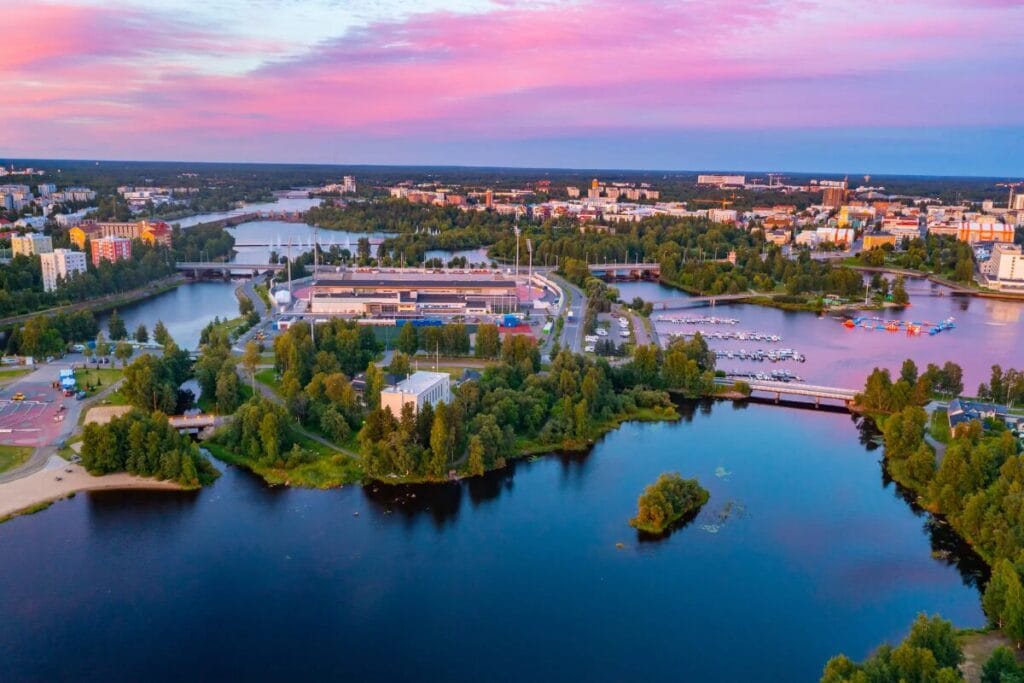
Oulu is stepping into the spotlight in a big way thanks to being named European Capital of Culture 2026. This has brought new investment, cultural events, and a growing creative scene, while the city still feels calm and very local. It’s not overrun with tourists, and that’s part of the appeal. Oulu offers something different from the usual European city break, especially for travellers curious about Nordic culture beyond the capitals.
What it’s like
Oulu feels modern, spacious, and quietly creative. The city is surrounded by nature, with forests, frozen sea views, and long coastal paths, even within the city limits. Life here moves at a slower pace, and cafés, galleries, and saunas play a big role in daily routines. It’s ideal if you enjoy culture, design, and outdoor space without big-city chaos.
Best time to visit
Late spring and summer are the easiest times to visit, with long daylight hours and milder weather. Winter is cold, but it offers a unique Arctic experience with snow, cosy interiors, and the chance to see the Northern Lights on clear nights.
How to get there from the UK
Fly from the UK to Helsinki, then take a short domestic flight to Oulu. The connection is smooth and well organised, making the journey easier than it sounds.
Where to stay
Stay centrally so you can walk to cafés, museums, and the waterfront. Modern hotels and design-led stays are a good fit here, especially ones with saunas, which are part of everyday life in Finland.
3. Sarandë (Albania)
Why it’s emerging in 2026
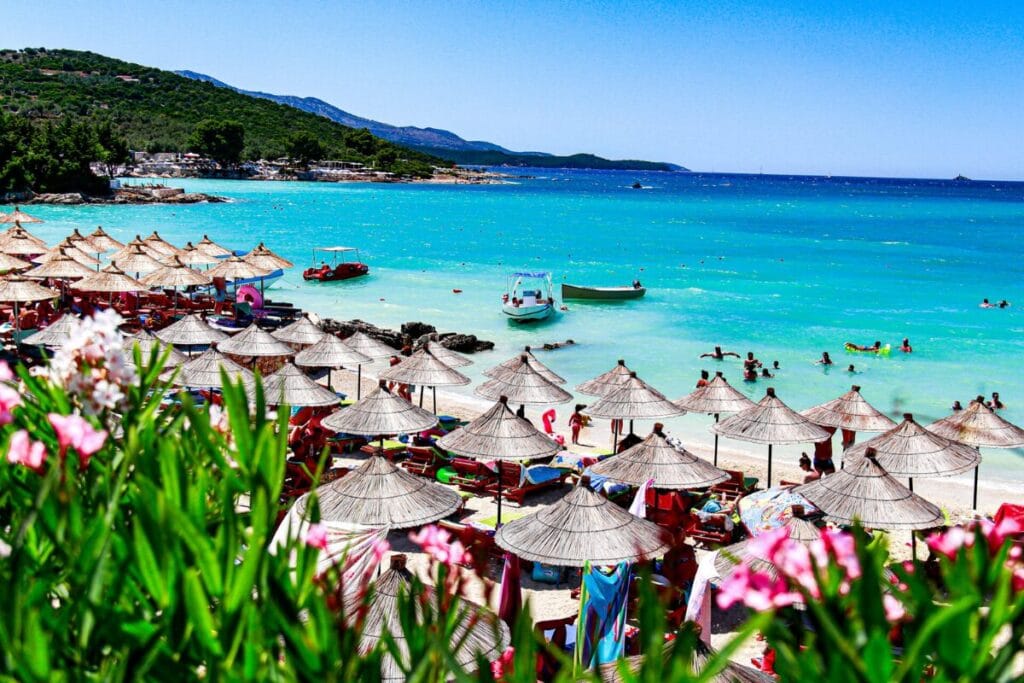
Sarandë is quickly becoming one of the most talked-about seaside destinations in the Balkans, but it still feels early enough to enjoy without crowds. Albania’s growing tourism infrastructure, better accommodation options, and increasing flight connections are putting Sarandë on the radar. It offers the kind of clear water, dramatic coastline, and relaxed pace people associate with Greece, but at a much lower cost. In 2026, it sits right in that sweet spot between undiscovered and up-and-coming.
What it’s like
Sarandë has a laid-back, summery feel with a focus on sea views, long lunches, and slow days. The town stretches along the coast, with beaches, beach clubs, and waterfront restaurants setting the rhythm. It’s not overly polished, but that’s part of its charm. Days are simple and unhurried, especially if you base yourself slightly outside the busiest areas.
Best time to visit
Late May to June and September are ideal. You get warm sea temperatures and sunny days without the intense heat or peak summer crowds. July and August are busier and hotter, while spring and early autumn feel much calmer.
How to get there from the UK
Fly from the UK to Corfu, then take a short ferry to Sarandë, which usually takes under an hour. It’s an easy and scenic route that makes the journey feel like part of the experience.
Where to stay
Look for small hotels or apartments with sea views, especially just outside the main town centre. You’ll get more space, quieter nights, and better value while staying close to the coast.
4. Tinos (Greece)
Why it’s emerging in 2026
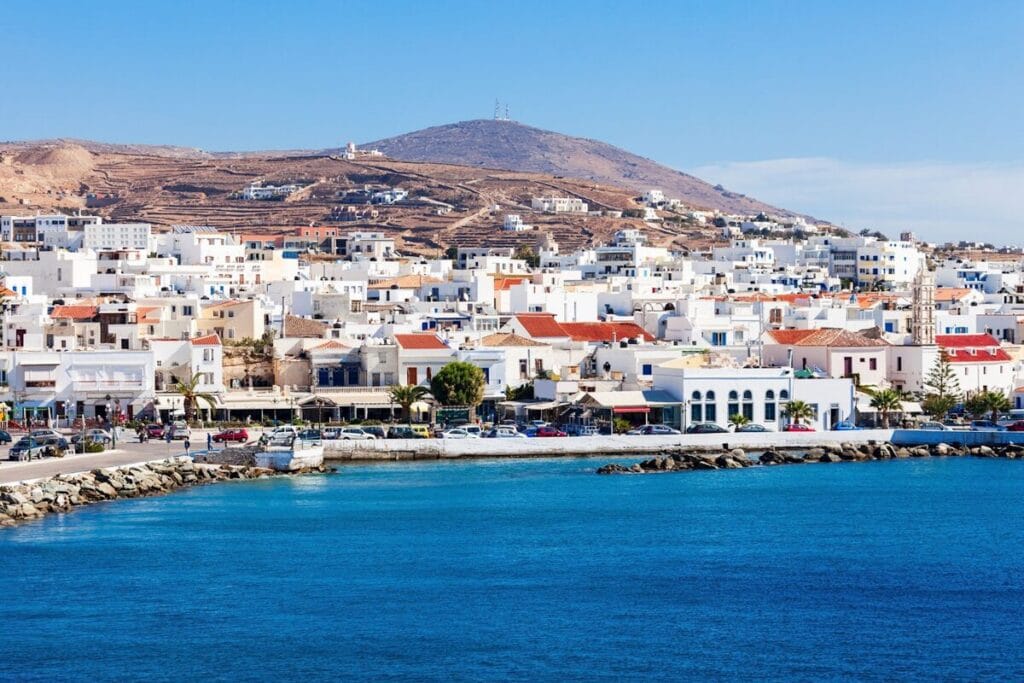
Tinos has been quietly popular with Greeks for years, but it’s only now starting to appear on the radar of international travellers. As nearby islands become busier and more expensive, Tinos stands out for its authenticity, food scene, and slower pace. There’s a growing focus on sustainable tourism, small hotels, and local experiences, which makes it especially appealing for 2026. It feels discovered in the best way, without being overrun.
What it’s like
Tinos is calm, understated, and deeply rooted in local life. The island is dotted with traditional villages, dry-stone terraces, and beautiful churches, with a rugged coastline rather than polished resort beaches. Days here are about wandering, eating well, and enjoying the landscape. It suits travellers who value culture, food, and quiet moments over nightlife or big attractions.
Best time to visit
May, June, and September are the best months to visit. The weather is warm but comfortable, the island is green and lively, and it’s much quieter than high summer. July and August are busier, especially in August when Greek holidays peak.
How to get there from the UK
Fly from the UK to Athens, then take a ferry from Piraeus port to Tinos. The ferry journey takes around 4 to 5 hours, depending on the route.
Where to stay
Choose a small hotel or guesthouse near one of the villages rather than a large resort. Staying inland or close to quieter beaches gives you a more relaxed experience and better insight into local life.
5. León (Spain)

Why it’s emerging in 2026
León is often overlooked in favour of Spain’s bigger, better-known cities, which is exactly why it feels so appealing right now. Improved rail connections, a growing food scene, and renewed interest in northern Spain are bringing León quietly into focus. It offers history, culture, and excellent value without the crowds you’ll find elsewhere. In 2026, it’s the kind of place that still feels local and unpolished, in a good way.
What it’s like
León is compact, walkable, and full of everyday Spanish life. The historic centre is lively but relaxed, with small bars, bakeries, and plazas that fill up naturally as the day goes on. There’s a strong sense of tradition here, especially around food and socialising. It’s a city best enjoyed slowly, wandering between sights and stopping often.
Best time to visit
Late spring and early autumn are ideal, especially May, June, and September. Summers are warm but manageable, and winters can be cold, though the city has a cosy, lived-in feel year-round.
How to get there from the UK
Fly from the UK to Madrid, then take a high-speed train to León. The train journey takes around two hours and is easy to plan.
Where to stay
Stay near the historic centre for easy access to sights, restaurants, and bars. Small hotels and guesthouses offer good value and keep you close to the city’s daily rhythm.
6. Tomar (Portugal)
Why it’s emerging in 2026
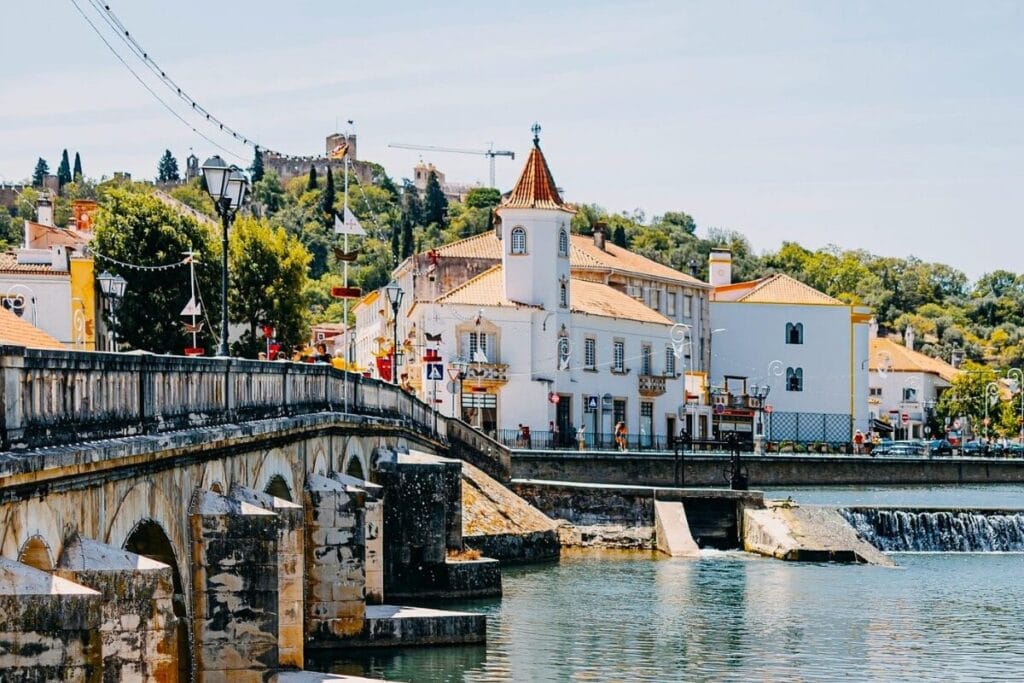
Tomar is starting to attract attention as travellers look beyond Lisbon and Porto for calmer, more authentic Portuguese experiences. Its rich history, manageable size, and excellent value make it appealing for slow travel. Better rail connections and growing interest in inland Portugal are helping Tomar step into the spotlight. In 2026, it feels like a smart alternative for those who want culture without crowds.
What it’s like
Tomar is peaceful, historic, and easy to explore on foot. The town centres around narrow streets, river walks, and small squares, with daily life unfolding at a relaxed pace. There’s a strong local feel here, with cafés, bakeries, and markets shaping the rhythm of the day. It’s the kind of place where you don’t rush plans.
Best time to visit
Spring and early autumn are ideal, especially April to June and September. The weather is warm but comfortable, and the town feels lively without being busy. Summer can be hot, while winter is quiet and slower.
How to get there from the UK
Fly from the UK to Lisbon, then take a direct train to Tomar. The journey takes around two hours and is simple to organise.
Where to stay
Stay close to the historic centre or along the river for easy access to sights and restaurants. Small hotels and guesthouses offer a more personal stay and good value.
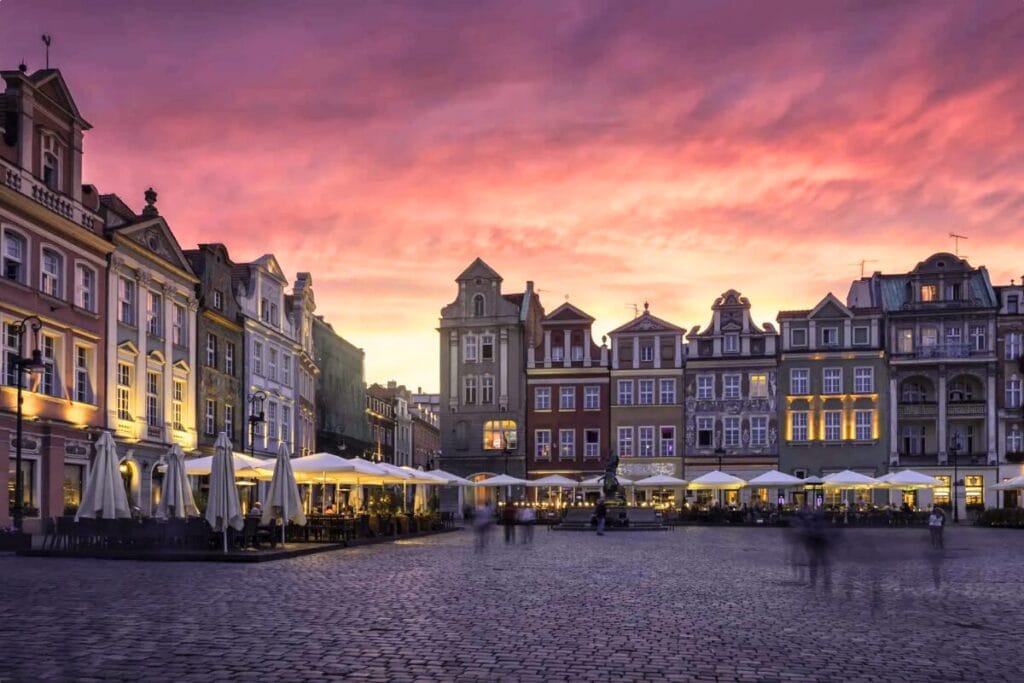
7. Poznań (Poland)
Why it’s emerging in 2026
Poznań is quietly gaining attention as travellers look for Central European cities that feel lively but not overdone. It has a strong cultural scene, improving international connections, and consistently good value compared to Western Europe. Interest in Poland is growing, and Poznań stands out as a city that’s easy to enjoy without crowds. In 2026, it feels like a smart, low-effort city break with plenty to offer.
What it’s like
Poznań is colourful, energetic, and very walkable. The old town is compact and social, with cafés, bars, and small restaurants filling the streets from morning to night. There’s a youthful feel thanks to the large student population, balanced by history and tradition. It’s the kind of city where days unfold naturally, without needing a strict plan.
Best time to visit
Late spring to early autumn works best, especially May, June, and September. Summers are warm and lively, while winters are cold but atmospheric, with fewer visitors and a slower pace.
How to get there from the UK
Fly from the UK directly to Poznań, or connect via Warsaw if needed. The airport is close to the city, making arrival quick and straightforward.
Where to stay
Stay near the old town or city centre to keep everything within walking distance. Boutique hotels and modern city hotels offer good comfort at reasonable prices.
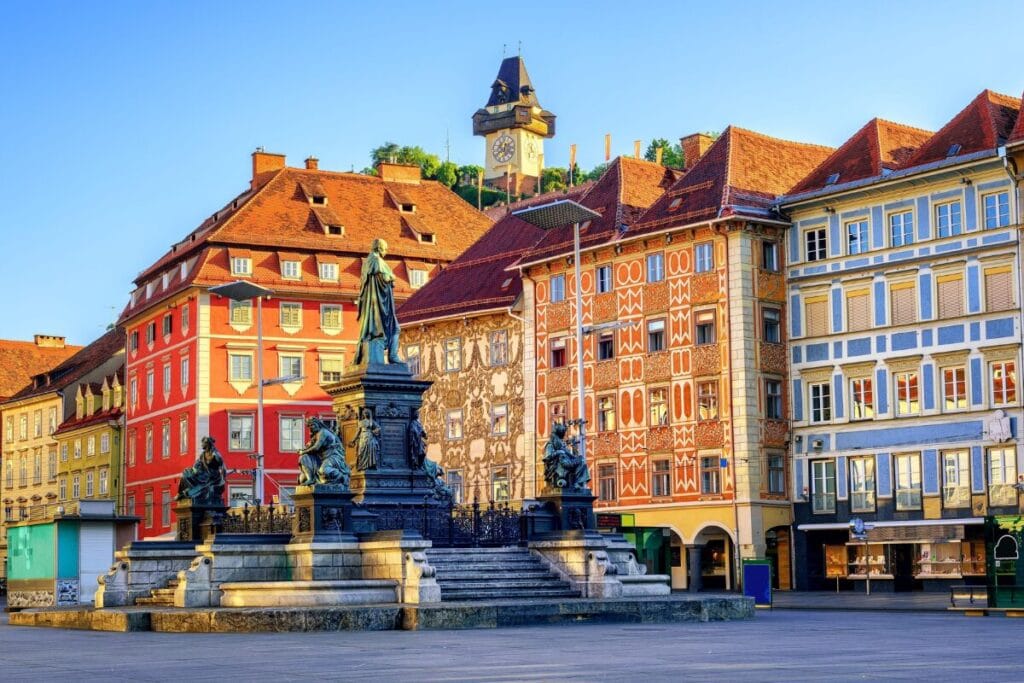
8. Graz (Austria)
Why it’s emerging in 2026
Graz is quietly gaining attention as travellers look for Austrian cities beyond Vienna and Salzburg. It offers a strong cultural scene, beautiful architecture, and a relaxed pace, all with better value and fewer crowds. A growing food and design scene, combined with its UNESCO-listed old town, is helping Graz step into the spotlight. In 2026, it feels established enough to be easy, but still fresh and underexplored.
What it’s like
Graz feels elegant but lived-in. The historic centre is compact and walkable, with red rooftops, hidden courtyards, and riverside paths. There’s a youthful energy thanks to its universities, balanced by a calm, everyday rhythm. It’s a city that rewards wandering, stopping for coffee, and taking things slowly.
Best time to visit
Late spring to early autumn is ideal, especially May, June, and September. The weather is warm without being overwhelming, and the city feels lively but not busy. Summer can be hot, while winter is quieter and more subdued.
How to get there from the UK
Fly from the UK to Vienna, then take a direct train to Graz. The train journey takes around 2.5 hours and is comfortable and scenic.
Where to stay
Stay within or just outside the old town for easy access to sights, cafés, and restaurants. Small hotels and boutique stays work particularly well here and keep you close to the city’s slower rhythm.
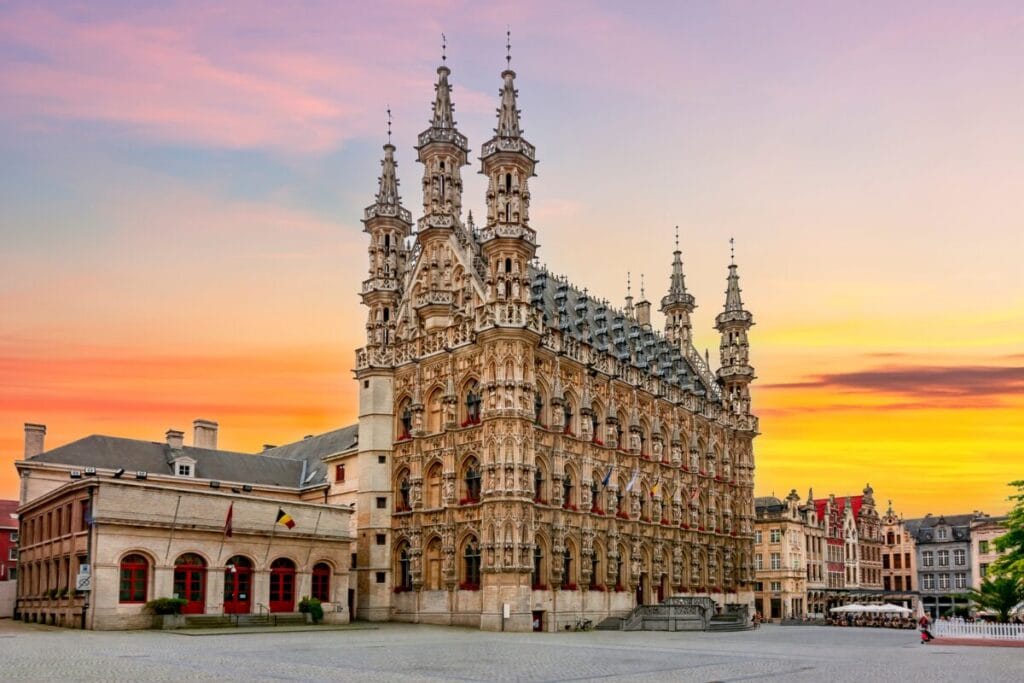
9. Leuven (Belgium)
Why it’s emerging in 2026
Leuven is often overshadowed by Brussels, Bruges, and Ghent, which is exactly why it feels so appealing right now. It has a strong cultural identity, a lively student population, and a growing food and café scene, yet it remains largely under the radar for international travellers. As people look for smaller, walkable cities with local life and good value, Leuven is starting to stand out. In 2026, it feels like a smart alternative to Belgium’s busier destinations.
What it’s like
Leuven is compact, youthful, and easy to explore on foot. The city centres around historic squares, quiet streets, and a relaxed café culture that runs from morning coffee to evening drinks. There’s a friendly, lived-in feel here, with daily life shaped by locals rather than tourism. It’s ideal if you enjoy cities that feel social but not hectic.
Best time to visit
Spring and early autumn are the best times to visit, especially April to June and September. The weather is mild, and the city feels lively without being crowded. Summer is pleasant too, though quieter when students leave.
How to get there from the UK
Take the Eurostar from London to Brussels, then a direct train to Leuven, which takes around 25 minutes. The journey is fast and very straightforward.
Where to stay
Stay near the city centre so you can walk everywhere. Small hotels and boutique-style stays offer good value and keep you close to cafés, shops, and main sights.
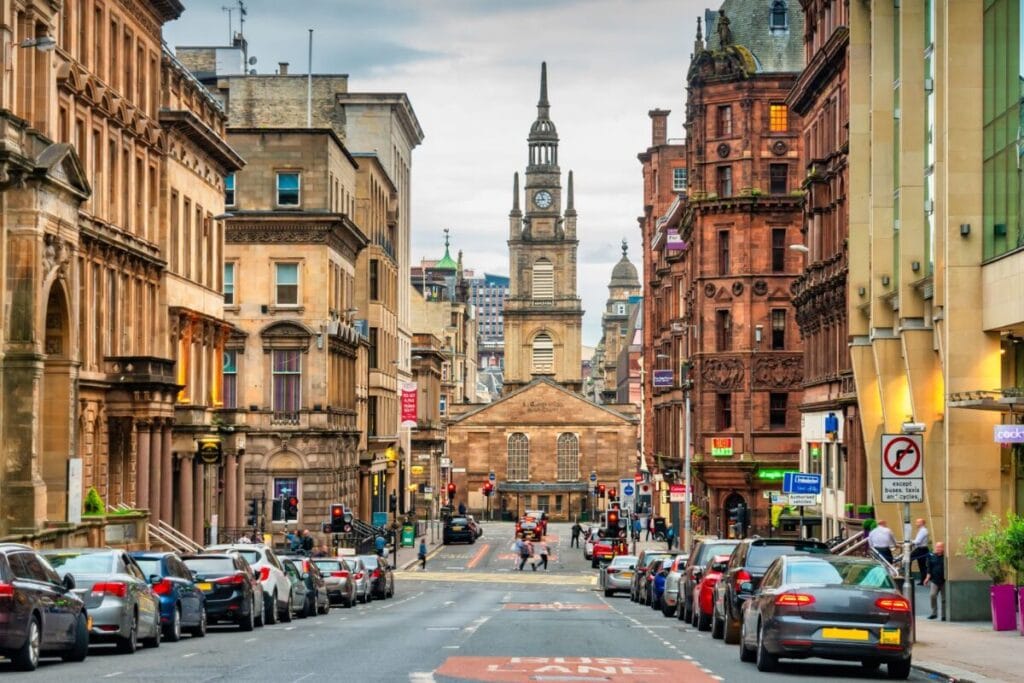
10. Glasgow (Scotland)
Why it’s emerging in 2026
Glasgow has long been overlooked in favour of Edinburgh, but that’s slowly changing. The city’s creative scene, food culture, and music heritage are getting more international attention, while prices and crowds remain far more reasonable. Investment in cultural venues and neighbourhood regeneration is also reshaping how people experience the city. In 2026, Glasgow feels confident, authentic, and ready to be appreciated on its own terms.
What it’s like
Glasgow is friendly, expressive, and full of character. Grand architecture sits alongside independent cafés, vintage shops, and galleries, especially in neighbourhoods like the West End. The city feels lively without being overwhelming, and locals give it a warmth that’s hard to miss. It’s a place where culture feels accessible rather than curated.
Best time to visit
Late spring to early autumn is ideal, especially May to September, when days are longer and the city’s parks and streets come alive. Autumn is also a great option for cosy cafés and cultural events. Winter is quieter but atmospheric.
How to get there from the UK
Glasgow is easy to reach from the UK by train or short domestic flight. Trains from London take around 4.5 to 5 hours, while flights are much quicker and frequent.
Where to stay
The West End is a great choice for cafés, museums, and a relaxed neighbourhood feel. The city centre works well too if you want to be close to transport, shopping, and nightlife.
Exploring the best emerging European travel destinations in 2026 is about finding places that feel exciting without being overcrowded. These destinations offer culture, character, and room to travel at a slower pace, before they become widely known. If you’re planning ahead, this list is a reminder that some of the most rewarding trips happen just before a place hits its peak.